
Most homeowners cannot eliminate bed bugs without professional help
Common Pests Homeowners Face Year-Round in South Florida
Common pests in South Florida can affect your home year-round. Learn what to watch for and when to call EZ Pest Control.
Why pests remain active year-round in South Florida
For many homeowners, one of the biggest adjustments to living in South Florida is realizing that pests are not a seasonal issue—they are a constant one. While colder regions experience a noticeable decline in pest activity during winter months, South Florida’s climate allows insects and rodents to remain active throughout the entire year.
Consistently warm temperatures, high humidity levels, and frequent rainfall create ideal conditions for pests to thrive and reproduce without interruption. Instead of disappearing during colder seasons, pests in South Florida simply relocate, often moving indoors where conditions are even more favorable.
Residential construction styles common in the area—such as homes with attics, crawl spaces, screened patios, exterior drains, and tropical landscaping—also contribute to the problem. These features, while practical and aesthetically pleasing, can provide easy access points and nesting areas for pests when preventive measures are not in place.
Because of this, South Florida homeowners face a unique challenge: protecting their homes not just during peak pest seasons, but all year long.
365
Days of Pest Activity
Year-round pest pressure in South Florida
85°F
Average Temperature
Ideal conditions for pest reproduction
75%
Humidity Level
Perfect environment for pest survival
Cockroaches: one of the most persistent household pests
Cockroaches are among the most common and difficult pests homeowners face in South Florida. Their ability to adapt, hide, and reproduce quickly makes them a year-round problem.
Common types of cockroaches in South Florida
The most frequently encountered species include German cockroaches and American cockroaches, often referred to locally as palmetto bugs. Both species thrive in warm, humid environments and are well-suited to life inside residential properties.
German Cockroaches
Small, light brown, prefer kitchens and bathrooms
German Cockroaches
Small, light brown, prefer kitchens and bathrooms
Where cockroaches hide inside homes
Cockroaches prefer dark, moist areas close to food and water sources. Kitchens, bathrooms, laundry rooms, and spaces behind appliances are common hiding spots. Because they are primarily nocturnal, infestations often go unnoticed until populations grow large.
Health risks associated with cockroaches
Cockroaches are known carriers of bacteria and allergens. They can contaminate food, trigger asthma symptoms, and worsen allergies—particularly in children and elderly residents. In South Florida, seeing cockroaches during the daytime often signals an advanced infestation.
Warning Sign: Seeing cockroaches during the daytime often signals an advanced infestation that requires immediate professional attention.
Ants: small but constant throughout the year
Ants are another persistent nuisance for South Florida homeowners. While often underestimated, ant infestations can become frustrating and difficult to control.
Common ants vs. carpenter ants
Many homeowners encounter common household ants that invade kitchens in search of food. Carpenter ants, however, pose a greater threat as they nest in moist or damaged wood and may contribute to structural issues over time.
Carpenter Ants
These larger ants can cause serious structural damage by nesting in wood. They’re particularly attracted to moisture-damaged areas.
What attracts ants into homes
Food residue, sugary substances, moisture, and accessible entry points all attract ants. Once a trail is established, ants can quickly return even after being temporarily removed.
Food Sources
Crumbs, spills, and sugary substances
Moisture
Leaks, condensation, and humid areas
Entry Points
Cracks, gaps, and openings in walls
Why ants return after DIY treatments
Most DIY solutions only eliminate visible ants, not the colony itself. Without addressing the nest and entry points, ants are likely to reappear—often repeatedly.
Rodents: rats and mice in residential properties
Rodents remain a year-round concern for homeowners in South Florida, particularly in urban and suburban areas near canals, parks, or dense vegetation.
How rodents enter homes
Rats and mice can squeeze through extremely small openings. Gaps around doors, rooflines, vents, garages, and utility lines are common entry points.
Roof Rats
Common in South Florida, these agile climbers enter through rooflines, attics, and tree branches touching homes
Norway Rats
Ground-dwelling rodents that enter through foundation gaps, garages, and lower entry points
House Mice
Small enough to fit through dime-sized holes, often found in kitchens and storage areas
Early warning signs of rodent activity
Droppings, scratching noises at night, shredded nesting materials, and gnaw marks are typical indicators. Many homeowners first notice rodents through sounds coming from attics or walls.
Health and structural risks
Rodents can contaminate food supplies, spread disease, and damage electrical wiring—significantly increasing the risk of fires. Their presence should always be taken seriously.
Critical Risk: Rodents gnawing on electrical wiring is a leading cause of house fires in South Florida. Early detection is essential.
Termites: a silent but serious threat in Florida
Termites are one of the most destructive pests in South Florida, often causing extensive damage before homeowners realize there is a problem.
Common termite species in South Florida
Subterranean termites and drywood termites are the most common species affecting homes in the region. Both can cause severe structural damage if left untreated.
Subterranean TermitesLive in soil and build mud tubes to access wood
- Most destructive species in South Florida
- Require contact with soil moisture
- Can damage homes rapidly
Drywood Termites
- Live directly inside wood without soil contact
- Leave distinctive pellet-like droppings
- Common in attics and wooden furniture
- Harder to detect early
Why termites remain active year-round
South Florida’s climate allows termites to feed and reproduce continuously. Unlike colder climates, there is no true dormant season for termites here.
Structural damage and repair costs
Termites consume wood from the inside out, weakening support structures over time. Repair costs can be substantial, and termite damage is often not covered by standard homeowners insurance policies if left unchecked.
$3K
Average Repair Cost
Per termite infestation in South Florida
24/7
Feeding Activityt
Termites never sleep and eat constantly
0%
Insurance Coverage
Most policies don’t cover termite damage
Mosquitoes: a constant nuisance and health concern
Mosquitoes are a familiar presence in South Florida and remain active throughout most of the year.
Why mosquitoes don’t disappear in Florida
Warm temperatures and frequent rainfall create ideal breeding conditions. Even small amounts of standing water can support mosquito populations.
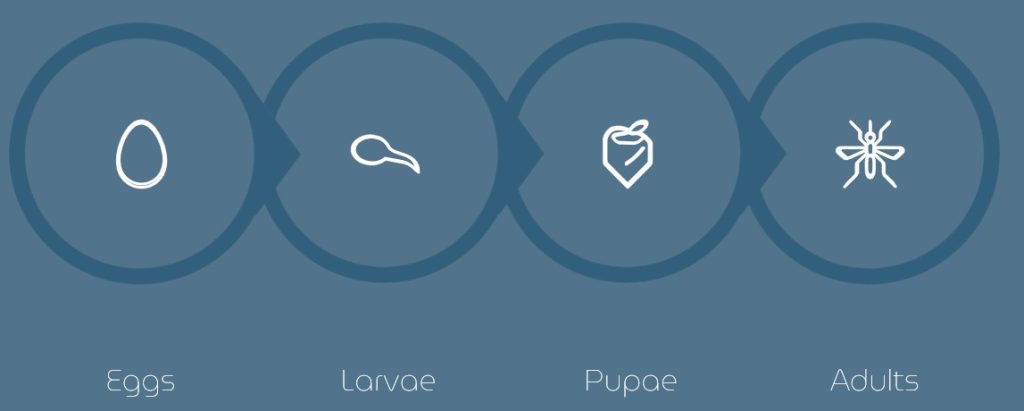
The complete mosquito lifecycle in South Florida takes only 7-10 days, allowing populations to explode rapidly during rainy seasons.
Standing water and mosquito breeding
Birdbaths, clogged gutters, plant pots, drainage areas, and nearby canals are common breeding sites. Without control measures, mosquito populations can increase rapidly.
 Clogged Gutters
One of the most common breeding sites around South Florida homes
 Plant Saucers
Even small amounts of water can support mosquito larvae
 Birdbaths
Decorative features that require regular water changes
Health risks associated with mosquitoes
Beyond being irritating, mosquitoes can carry diseases, making them a legitimate public health concern in South Florida communities.
Spiders and other common household insects
Spiders are commonly found inside South Florida homes year-round. While most are harmless, their presence often points to a larger issue.
Why spiders appear indoors
Spiders enter homes in search of shelter and prey. If spiders are present, it usually means other insects are available as a food source.
What spiders indicate about pest activity
Rather than being the primary problem, spiders often serve as indicators of underlying insect infestations that need attention.
Other Insects Present
Flies, moths, and small bugs attract spiders
Spiders Follow Food
Spiders move in to hunt available prey
Indicates Larger Problem
Spider presence signals need for comprehensive pest control
Harmless vs. problematic pests
Not all pests pose the same level of risk, but any ongoing pest presence should be evaluated to prevent future issues.
Common South Florida Spiders: Most spiders found in homes are harmless species like house spiders and cellar spiders. However, brown recluse and black widow spiders, though rare, can be found in the region.
Spiders and other common household insects
Unlike many other pests, bed bugs and fleas are not directly linked to outdoor conditions.
How bed bugs enter homes
Bed bugs commonly enter homes through luggage, furniture, visitors, or shared walls in multi-family buildings. Travel and relocation make them a growing concern in Florida.
- Travel and Hotels
Hitchhike in luggage from hotels and vacation rentals
- Used Furniture
Hide in seams of secondhand mattresses and couches
- Visitors and Guests
Can arrive on clothing or belongings of visitors
- Multi-Family Buildings
Spread through shared walls in apartments and condos
Fleas and their connection to pets
Fleas thrive in warm climates and often enter homes through pets. Without professional treatment, infestations can persist and spread quickly.

Why professional treatment is often necessary
Both bed bugs and fleas are notoriously difficult to eliminate with DIY methods and typically require specialized treatment plans.
DIY Failure Rate
Treatment Visits
Typical number of professional treatments needed for complete elimination
Areas of the home where pests appear first
Pest infestations rarely start in obvious places. Common entry and nesting areas include:

Kitchens and food storage areas
Attracted by food sources, moisture, and warmth. Check under sinks, behind appliances, and inside pantries regularly.

Bathrooms and moisture-prone spaces
High humidity and water sources attract cockroaches, silverfish, and other moisture-loving pests.

Garages, attics, and crawl spaces
Undisturbed areas provide perfect nesting sites for rodents, spiders, and stored product pests.

Yards, exterior walls, and drainage areas
Entry points where pests first access your home. Foundation cracks, gaps around utilities, and drainage systems need regular inspection.
Regular inspections of these areas can help detect problems early.
Why homeowners should not normalize pest activity
In South Florida, some residents become accustomed to occasional pest sightings and assume they are unavoidable. This mindset can lead to bigger problems over time.
The risks of living with pests year-round
Ongoing pest activity can affect health, comfort, and overall quality of life. What starts as a minor inconvenience can quickly escalate.
Health Impacts
Allergens, contaminated food, disease transmission, and respiratory issues—especially dangerous for children and elderly residents
Property Damage
Structural damage from termites and rodents, destroyed insulation, damaged wiring, and contaminated storage areas
Quality of Life
Stress, sleep disruption, embarrassment when hosting guests, and constant worry about pest encounters
Hidden costs of delaying action
Structural repairs, pest-related damage, and repeated treatments often cost far more than early prevention.
Impact on health and property value
Homes with pest issues may lose value and face complications during inspections, sales, or rental agreements.
Real Estate Impact: Pest infestations discovered during home inspections can derail sales, reduce offers by thousands of dollars, or require costly treatments before closing.
Prevention vs. reaction: the right approach in South Florida
In a region with constant pest pressure, prevention is far more effective than reactive treatments.
Why occasional treatments aren’t enough
Addressing pests only when they become visible rarely solves the root cause of the problem.
Reactive Approach
See pests, call for treatment, pests return, repeat cycle
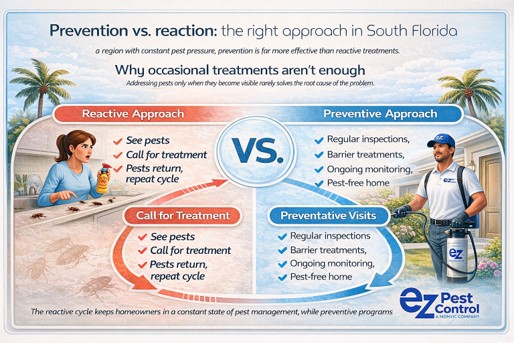
Preventive Approach
Regular inspections, barrier treatments, ongoing monitoring, pest-free home
The reactive cycle keeps homeowners in a constant state of pest management, while preventive programs break the cycle entirely.
The importance of year-round pest control programs
Ongoing pest management helps reduce infestations before they take hold and minimizes the risk of reinfestation.
Quarterly Treatments
Regular barrier applications prevent pests from entering
Ongoing Monitoring
Early detection before problems become visible
Seasonal Adjustments
Treatments adapted to changing pest pressures
Benefits of professional inspections
Regular inspections allow professionals to identify vulnerabilities, entry points, and early signs of activity before damage occurs.
Professional Advantage
Licensed technicians know exactly where to look and what signs to watch for—catching problems homeowners typically miss.
- Identification of pest entry points and vulnerabilities
- Detection of early warning signs before infestations develop
- Customized treatment plans based on your home’s specific needs
- Documentation for real estate transactions and insurance
- Peace of mind knowing your home is protected
Why trust EZ Pest Control for year-round pest protection?
Licensed & Experienced
Fully licensed pest control professionals with extensive experience serving South Florida homeowners
Family-Owned Company
Local, family-owned business that understands the unique challenges of South Florida pest control
Safe & Effective Methods
Using proven treatments that protect your family, pets, and the environment
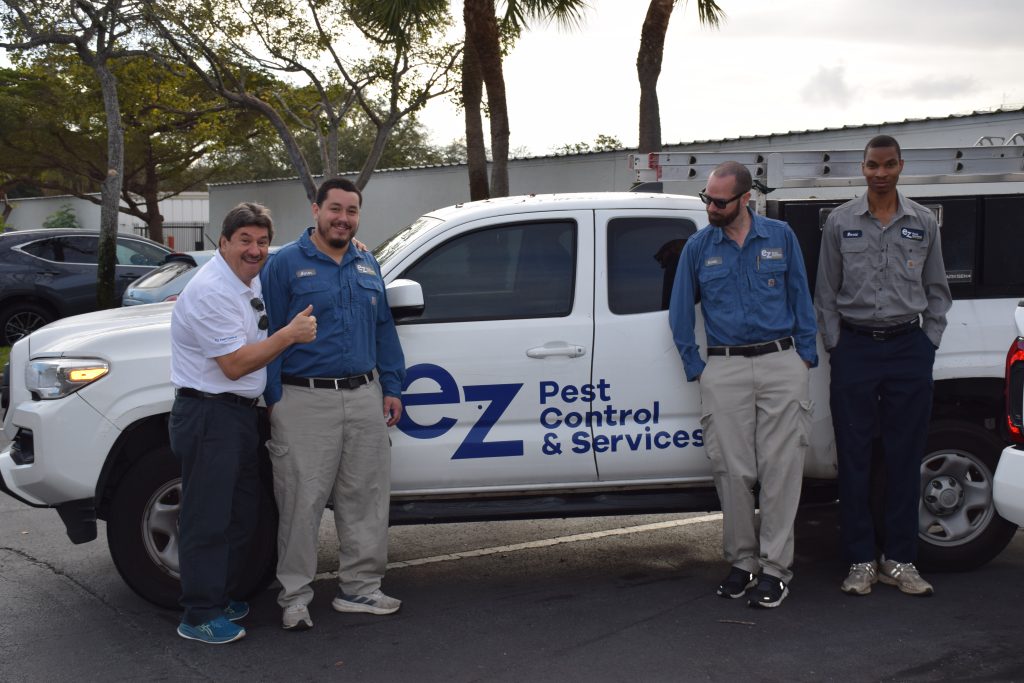
EZ Pest Control is a licensed, family-owned company with extensive experience serving homeowners across South Florida. Their team understands the unique challenges posed by the region’s climate, construction styles, and pest populations.
Rather than offering one-size-fits-all solutions, EZ Pest Control focuses on customized, preventive strategies designed to protect homes year-round—safely and effectively.
Customized Plans
Every home is different. Treatments are tailored to your specific pest challenges and property layout.
Local Expertise
Deep knowledge of South Florida pests, seasonal patterns, and effective treatment methods for the region.
Preventive Focus
Proactive approach that stops pests before they become problems, not just reactive treatments
Protect your home all year long
Living in South Florida doesn’t mean you have to accept pests as part of daily life. With the right preventive approach and support from local professionals, you can keep your home protected throughout the year.
If you’ve noticed pest activity—or want to prevent future problems—schedule a professional inspection and take the first step toward long-term peace of mind.
Get Started Today
📍 Serving Broward, Miami-Dade, and Palm
Beach