
Why Professional Pest Control Is Essential for Residential Homes


Protecting your home with informed, preventive care in South Florida’s unique climate

Understanding the Reality of Pest Control in Your Home


Keeping a home comfortable, safe, and well-maintained requires attention to many details—some visible, others less obvious. One of the most commonly overlooked aspects of home care is pest control. In warm and humid regions like South Florida, pest activity is not an exception but a reality shaped by climate, environment, and daily living conditions.

While occasional pest sightings may seem manageable at first, long-term prevention and control often require more than surface-level solutions. Professional pest control plays an essential role in helping homeowners understand what is happening in and around their property and how to reduce risks responsibly over time.

Understanding the Reality of Pest Control in Your Home

This article explores why professional pest control is an important part of home care, especially in climates such as Broward County and South Florida, and how a preventive, informed approach supports long-term peace of mind.

Pest Control as Part of Responsible Home Care


Pests as a common reality in residential environments

In regions with consistent warmth and humidity, pests are naturally present year-round. Insects, rodents, and wildlife adapt easily to residential settings where food, water, and shelter are readily available. Their presence does not necessarily indicate poor housekeeping—it often reflects environmental conditions and structural factors common to many homes.

Understanding this reality helps shift the focus from blame to prevention and responsible management.

Why the issue goes beyond what is visible

What homeowners see is often only a small part of the picture. Many pests remain hidden behind walls, under flooring, in attics, crawl spaces, or exterior voids. Visible activity may represent ongoing conditions that have existed for some time.

Professional pest control looks beyond surface signs to understand the full scope of the situation.

Why the issue goes beyond what is visible

Pest control within preventive home maintenance

Just like roof inspections, HVAC servicing, or plumbing maintenance, pest control fits naturally into preventive home care. Addressing potential issues early helps reduce uncertainty and supports a more stable living environment.

Limitations of DIY and Improvised Pest Solutions

Why home remedies are often temporary

DIY pest control methods may provide short-term relief but frequently fail to address the underlying cause. Without identifying where pests are entering, nesting, or finding resources, activity may continue or return over time.

Temporary solutions can create a false sense of resolution while conditions remain unchanged.

Challenges in correctly identifying the problem

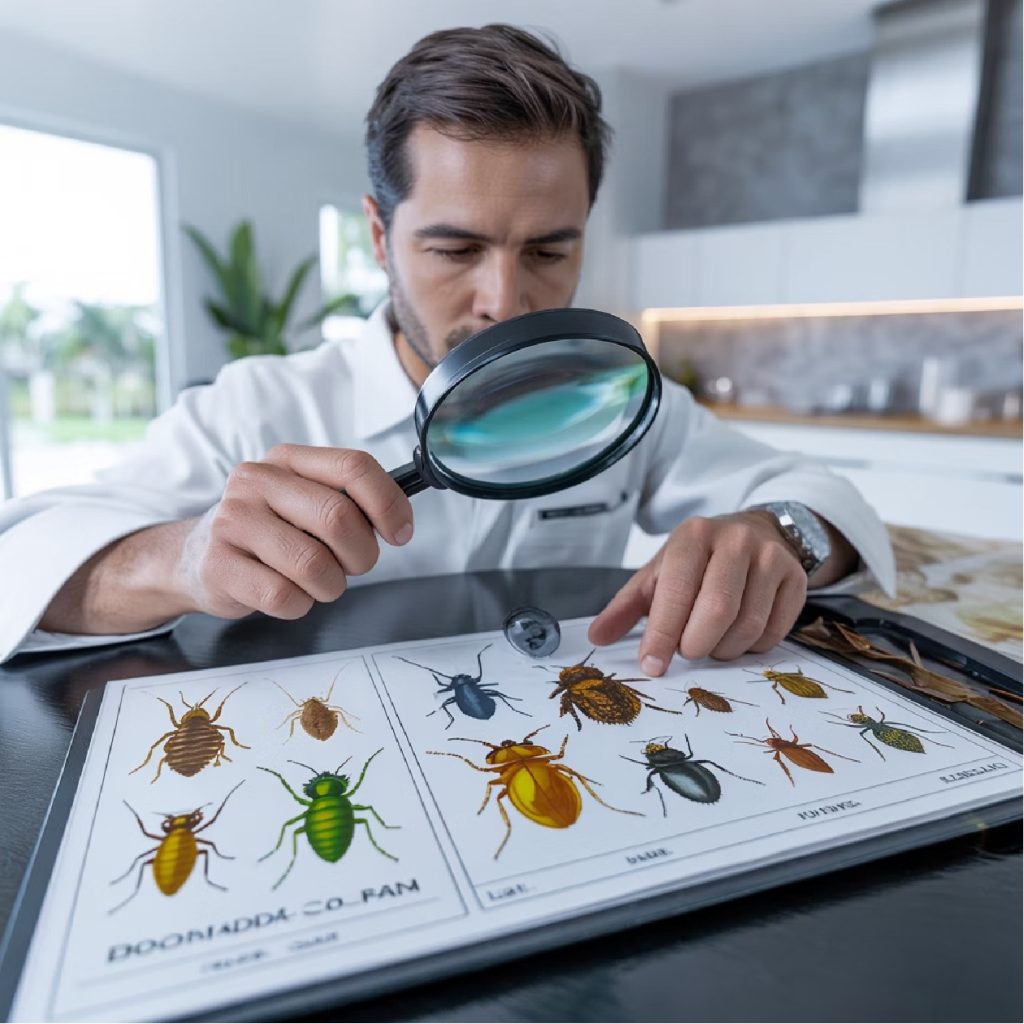
Different pests behave in different ways, require different approaches, and thrive under specific conditions. Misidentification can lead to ineffective actions that do little to resolve the issue.

Professional experience helps distinguish between similar signs that may have very different causes.

Risks of acting without a clear assessment

Applying treatments without a proper evaluation may overlook contributing factors such as moisture, access points, or environmental conditions. In some cases, actions taken without full context can complicate future prevention efforts.

Limitations of DIY and Improvised Pest Solutions

When the issue persists despite initial attempts

Many homeowners seek professional support after repeated DIY efforts fail to produce lasting results. At this stage, understanding why earlier actions were ineffective becomes just as important as addressing current activity.

The Importance of Proper Pest Identification


Not all pests behave the same way

Each pest species has distinct habits, activity cycles, and preferred environments. Some are active primarily at night, others during the day. Some remain close to food sources, while others seek shelter in structural spaces.

Recognizing these differences is key to effective management.

Activity cycles, nesting habits, and hiding zones

Understanding where pests live, how they move, and what attracts them allows for more targeted prevention strategies. Without this knowledge, efforts may focus on symptoms rather than causes.

How misidentification can prolong the issue

Treating the wrong pest—or treating the right pest in the wrong way—can allow activity to continue unnoticed. Proper identification helps ensure that actions are aligned with actual conditions.

The Importance of Proper Pest Identification

The value of understanding the origin before acting

Professional pest control emphasizes evaluation first. Knowing where activity originates allows homeowners to make informed, proportionate decisions rather than relying on trial and error.

The Professional Approach to Pest Control

01

Comprehensive evaluation of the home

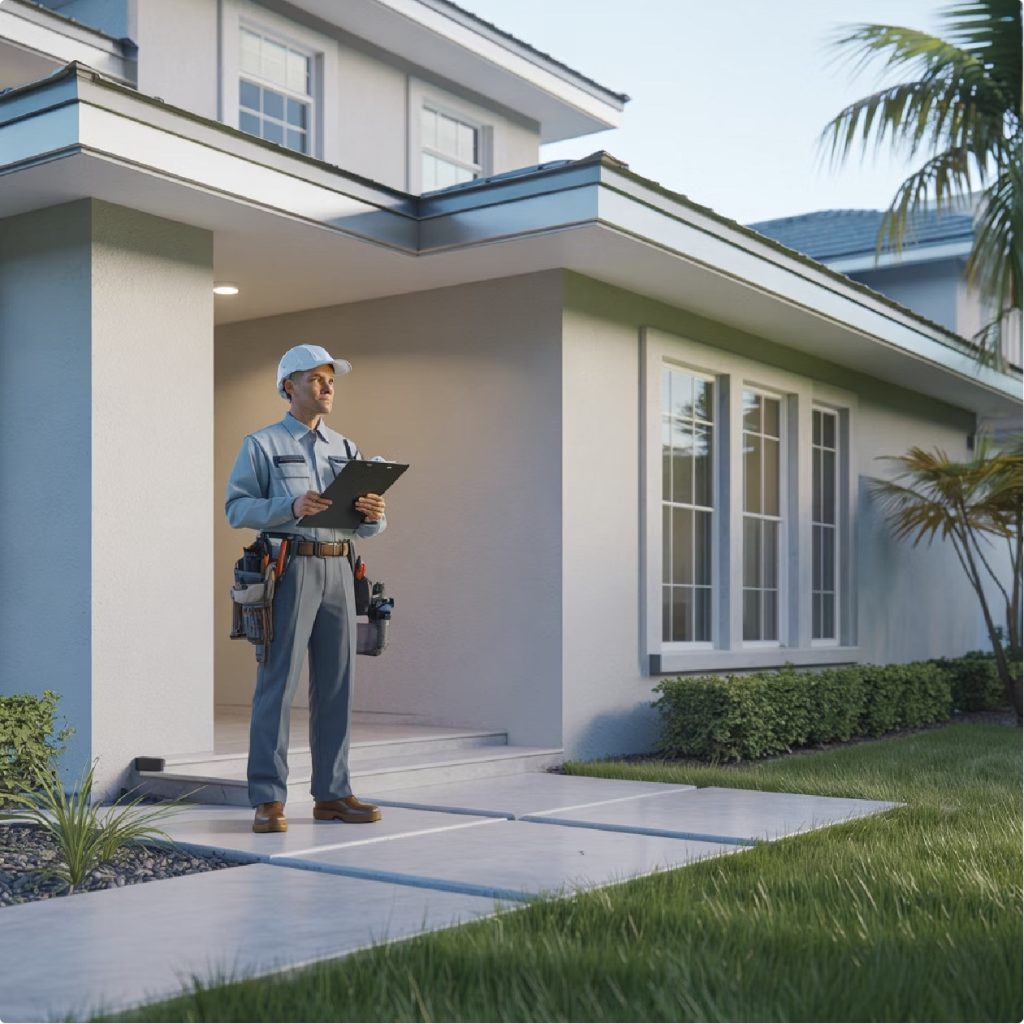
Professional pest control typically begins with a thorough evaluation of both interior and exterior areas. This includes assessing structural conditions, environmental factors, and signs of activity.

02

Identifying conditions that encourage pest activity

Beyond spotting pests themselves, professionals look for contributing factors such as moisture buildup, access points, landscaping conditions, or storage habits that may support ongoing activity.

03

Tailored solutions based on the property

No two homes are identical. Professional approaches consider the specific layout, surroundings, and usage patterns of each property, allowing for more customized recommendations.

04

Addressing causes instead of symptoms

The key difference between professional and improvised approaches lies in addressing root causes. Reducing access, eliminating attractants, and improving conditions often proves more effective than repeated surface treatments.

The Professional Approach to Pest Control

Long-Term Prevention Versus Reactive Solutions


Why eliminating pests does not always solve the problem

Removing visible pests does not automatically eliminate the conditions that attracted them. Without preventive measures, activity may return over time.

Prevention as an ongoing strategy

Professional pest control focuses on reducing risk over the long term. This includes monitoring conditions, adjusting strategies, and maintaining awareness rather than relying on one-time actions.

Monitoring, follow-up, and responsible adjustments

Changes in weather, home use, or the surrounding environment can affect pest activity. Ongoing monitoring helps adapt preventive efforts as needed.

Adapting to seasonal and environmental changes

In South Florida, pest activity may shift rather than disappear with the seasons. Prevention strategies benefit from flexibility and awareness of these changes.

Adapting to seasonal and environmental changes

Safety and Responsibility in Pest Control

Not all pests behave the same way

Each pest species has distinct habits, activity cycles, and preferred environments. Some are active primarily at night, others during the day. Some remain close to food sources, while others seek shelter in structural spaces.

Recognizing these differences is key to effective management.

Protecting people and pets

Safety is a central consideration in professional pest control. Any approach must take into account the well-being of household members, including children and pets.

Responsible use of methods and products

Professional pest control emphasizes informed, measured use of tools and techniques, guided by evaluation rather than routine application.

Clear communication as part of the process

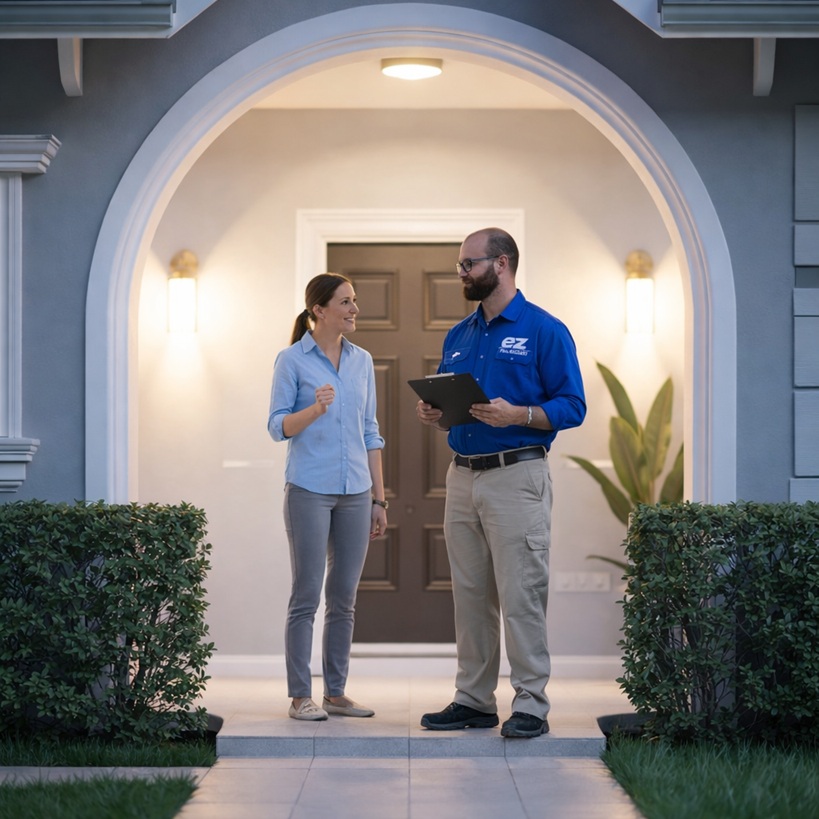
Transparency helps homeowners understand what is being addressed, why certain steps are recommended, and how prevention fits into long-term home care.

Building trust through education and clarity

When homeowners are informed, they are better equipped to participate in prevention and maintain consistent habits that support results.

Protecting people and pets

The Value of Experience and Technical Knowledge


How experience helps uncover hidden issues

Experience allows professionals to recognize subtle signs that may be overlooked by untrained eyes. These details often provide insight into underlying conditions.

The importance of structured processes

Established protocols help ensure evaluations and recommendations are thorough, consistent, and based on observation rather than assumptions.

Continuous learning and professional development

Pest behavior, building materials, and environmental conditions evolve. Ongoing education helps professionals adapt their approach responsibly.

Decision-making based on observation and judgment

Professional pest control relies on informed judgment developed through hands-on experience and careful assessment.

Professional Pest Control in Warm and Humid Climates

How climate influences pest activity

Warm temperatures and humidity create favorable conditions for many pests. These factors shape activity patterns and increase the importance of ongoing prevention.

Common challenges in regions like South Florida

Broward County and surrounding areas experience year-round pest pressure due to climate, vegetation, and dense residential development.

The need for climate-adapted strategies

Effective pest control must consider local conditions rather than applying generic solutions.

Professional Pest Control in Warm and Humid Climates

Prevention as a continuous effort

In warm climates, prevention is not seasonal—it is a consistent part of home care.

When to Consider Professional Support Preventively

  • Early signs that should not be ignored

    Unusual sounds, subtle changes, or repeated sightings may indicate emerging activity worth evaluating.

  • Home changes that may increase risk

    Renovations, landscaping changes, or shifts in usage patterns can alter pest behavior.

  • Acting with information and calm

    Seeking professional insight early allows homeowners to understand their options without urgency or pressure.

  • Professional guidance as support, not pressure

    Preventive consultations are about clarity and education, helping homeowners make informed decisions.

When to Consider Professional Support Preventively

Conclusion: A Holistic View of Pest Control

Pest control as part of overall home well-being

A well-maintained home supports comfort, safety, and predictability. Pest prevention contributes to this balance.

Informed decisions for greater peace of mind

Knowledge and awareness reduce uncertainty and support thoughtful home care.

Prevention, understanding, and responsibility

Professional pest control brings structure, insight, and continuity to an otherwise complex challenge.

Conclusion: A Holistic View of Pest Control

Professional Guidance With a Local, Preventive Approach


Understanding what is happening in and around your home is the foundation of responsible pest prevention. Clear information allows homeowners to act thoughtfully and maintain confidence in their living environment.

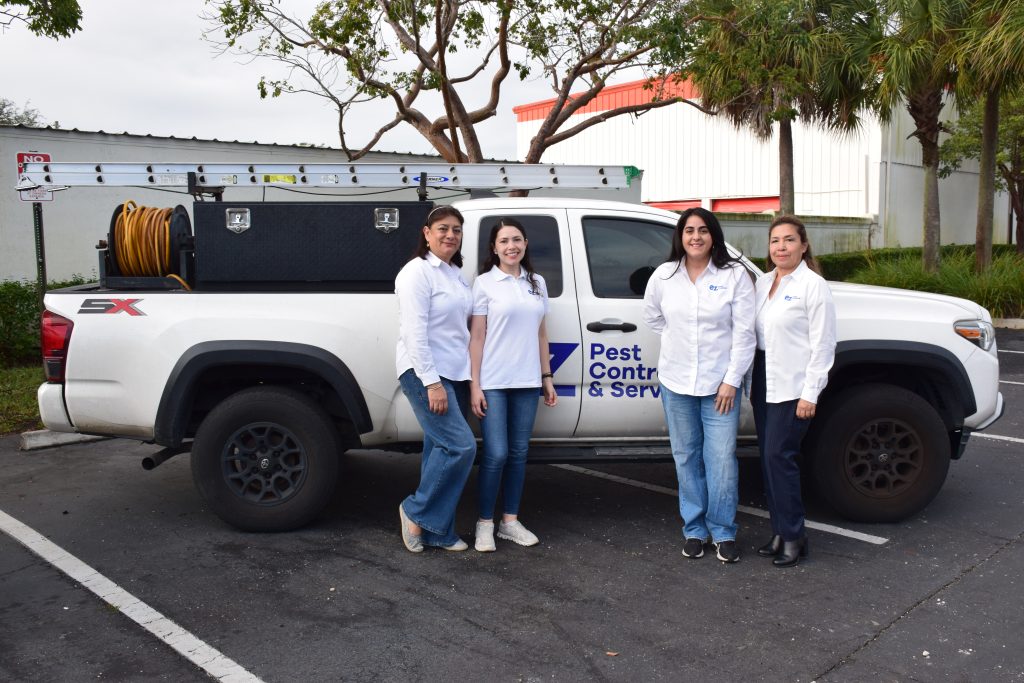
For homeowners in Broward County and South Florida, EZ Pest Control offers a preventive, education-focused approach built around transparency and respect for your home. As a family-owned, local company, their team emphasizes careful evaluation, clear communication, and solutions tailored to each property—never one-size-fits-all recommendations.

If you have questions, notice changes around your home, or want guidance on strengthening your preventive strategy, a professional evaluation can help you understand your options and plan responsibly.

Get Started Today

📍 Serving Broward, Miami-Dade, and Palm
Beach

Taking a proactive approach today is a practical step toward long-term comfort and peace of mind in your home.

Scroll to Top