Skip to content

Spot Treatment vs. Whole-Home Fumigation: Which Termite Treatment Is Right for Your South Florida Home?
Introduction
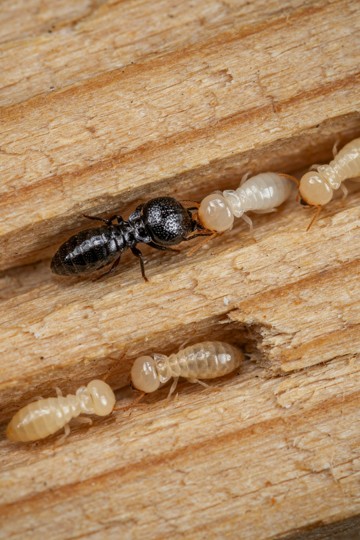
Discovering termites in your home can be overwhelming. Whether you’ve noticed piles of termite droppings (frass), discarded wings, damaged wood, or received a termite inspection report confirming an infestation, one of the first questions you’re likely to ask is:
Should I choose spot treatment or whole-home fumigation?
The answer is not always straightforward.
Many homeowners assume that fumigation is automatically the best solution because it treats the entire structure. Others prefer spot treatment because it is typically less disruptive and less expensive. While both treatment methods can be highly effective, neither is universally the “right” choice. The best solution depends on several important factors, including the type of termite involved, the extent of the infestation, the accessibility of the affected areas, and the overall condition of the property.
Making the wrong decision can have significant consequences. Choosing a localized treatment for an infestation that has spread throughout the structure may allow hidden colonies to continue damaging your home. On the other hand, opting for whole-home fumigation when a localized treatment would have been sufficient could result in unnecessary costs, extensive preparation, and several days away from your property.
For homeowners in South Florida, understanding these differences is especially important. The region’s warm climate, high humidity, and year-round termite activity create ideal conditions for termite infestations, particularly from drywood termites, which are commonly associated with whole-home fumigation, and subterranean termites, which require entirely different treatment strategies.
One of the biggest misconceptions is that fumigation permanently protects a home from termites. In reality, fumigation eliminates active drywood termite colonies inside the structure, but it does not provide ongoing protection against future infestations. Likewise, spot treatment is sometimes dismissed as a temporary solution, when in fact it can be the most appropriate and cost-effective option for isolated infestations that have been accurately identified during a professional inspection.
The key is understanding when each treatment is appropriate—and why professional inspections are critical before making a decision.
In this guide, you’ll learn:
By the end of this article, you’ll have a clear understanding of how termite professionals evaluate infestations and why the best treatment isn’t determined by price or convenience alone—it’s determined by selecting the right solution for the specific termite problem affecting your home.
Why Choosing the Right Treatment Matters
When homeowners discover termites, it’s natural to want the problem solved as quickly as possible. However, termite treatment is not a one-size-fits-all service. Selecting the wrong approach can leave active colonies hidden inside your home, increase repair costs, or lead to unnecessary disruption without providing any additional benefit.
The most effective termite treatment begins before any chemicals are applied. It starts with an accurate diagnosis of the infestation.
Professional termite inspectors evaluate several factors before recommending either spot treatment or whole-home fumigation, including:
- The termite species present.
- Whether the infestation is localized or widespread.
- The number of active colonies.
- Whether the affected wood is accessible for treatment.
- The age and construction of the home.
- Signs of previous termite activity or prior treatments.
These details matter because different termite species behave in very different ways.
For example, drywood termites live entirely inside the wood they consume. If an inspection confirms that activity is limited to a single window frame, attic beam, or section of trim, a localized spot treatment may successfully eliminate the infestation without treating the rest of the home.
However, if termite activity is discovered in multiple rooms, several attic locations, or throughout inaccessible structural components, there is a much greater likelihood that multiple colonies are present. In these situations, whole-home fumigation may provide the most reliable solution because it reaches areas that cannot be accessed through localized treatments.
Another common mistake is assuming that the largest treatment automatically provides the best protection.
Whole-home fumigation is extremely effective at eliminating active drywood termite colonies throughout a structure, but it does not leave behind any residual protection once the fumigation process has been completed. New termite swarmers can potentially reinfest the property in the future if preventive measures and regular inspections are not maintained.
Likewise, spot treatment should never be viewed as a shortcut or “cheap alternative.” When performed after a thorough inspection that accurately maps the infestation, localized treatments can successfully eliminate isolated termite colonies while minimizing disruption to the homeowner.
The goal is not to choose the biggest treatment.
The goal is to choose the right treatment.
A professional recommendation should always be based on evidence gathered during the inspection—not assumptions, fear, or a one-size-fits-all sales approach.
Understanding the Difference Between Spot Treatment and Whole-Home Fumigation
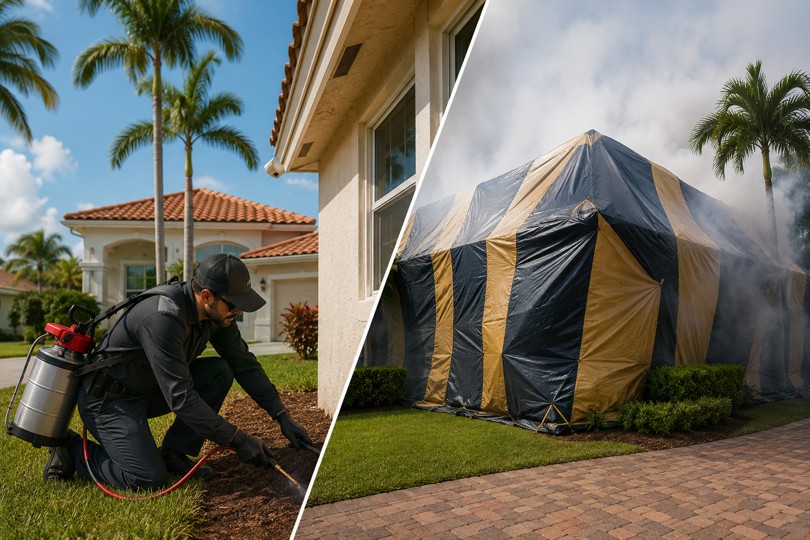
Although both spot treatment and whole-home fumigation are designed to eliminate termites, they solve very different types of infestations. Understanding how each method works is essential before deciding which treatment is appropriate for your home.
The biggest misconception homeowners have is believing that one treatment is inherently better than the other. In reality, neither approach is universally superior. Each has specific situations where it is highly effective and others where it may not be the best choice.
The decision is based on one fundamental question:
Is the termite infestation localized, or has it spread throughout the structure?
The type of termite also plays an important role.
Drywood termites live entirely inside the wood they consume, making both spot treatment and fumigation viable options depending on how extensive the infestation has become.
Subterranean termites, however, live in underground colonies and require completely different treatment strategies, such as soil treatments or baiting systems. Whole-home fumigation is generally not used to eliminate subterranean termite colonies because the colony itself remains underground.
If localized
If termite activity is confined to one clearly identifiable area, a localized treatment may successfully eliminate the colony with minimal disruption.
If widespread
If evidence suggests termites are active in multiple locations—or if inspectors cannot confidently determine the full extent of the infestation—a whole-home treatment may offer the most reliable solution.
This distinction is one of the reasons professional termite identification should always come before selecting a treatment.
Spot Treatment at a Glance
Spot treatment is a targeted termite control method designed to eliminate colonies that have been accurately located during a professional inspection.
Instead of treating the entire structure, licensed technicians focus only on the specific areas where active termites are confirmed.
Depending on the construction of the home and the location of the infestation, treatment may involve:
The goal is not just to eliminate current activity, but to create long-term protection by addressing the pathways termites use to access your home.
The objective is to eliminate the colony while minimizing disruption to the homeowner.
When the infestation is truly isolated, spot treatment can often be completed in a single visit without requiring occupants to leave the property.
Whole-Home Fumigation at a Glance
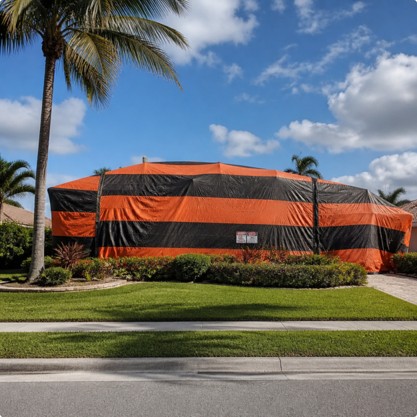
Whole-home fumigation—often referred to as tent fumigation—is a structural treatment used primarily for widespread drywood termite infestations.
During the process, the home is completely enclosed with specialized tarps, creating a sealed environment.
A licensed fumigation team introduces a fumigant gas that penetrates throughout the structure, including:
- Wall voids.
- Roof framing.
- Ceiling joists.
- Structural beams.
- Wooden trim.
- Hidden galleries inside wood.
Because the fumigant circulates throughout the entire building, it reaches termite colonies that cannot be accessed using localized treatments.
Homeowners must temporarily leave the property while the fumigation is performed, and strict safety procedures must be followed before re-entering the home.
Unlike localized treatments, fumigation does not target individual colonies—it treats the entire structure simultaneously.
The Real Difference
Many people think the difference is simply:
Small problem = Spot Treatment
Big problem = Fumigation
While this is sometimes true, the real decision is more nuanced.
Professional inspectors evaluate questions such as:
- Can every active colony be located?
- Can technicians physically access the infested wood?
- Is there evidence of multiple colonies?
- Are termites active in several areas of the home?
- Has previous localized treatment already failed?
- Is the infestation limited to one structural component or spread throughout the building?
These answers determine which treatment offers the highest probability of complete elimination.
Rather than asking,
“Which treatment is better?”
the better question is:
“Which treatment matches the actual infestation?”
That distinction often determines whether the termite problem is resolved permanently or continues hidden behind walls for months—or even years.
What Is Spot Treatment?
Spot treatment is one of the most effective termite control options when an infestation is confined to one or a few clearly identifiable areas. Rather than treating the entire home, this method focuses exclusively on the wood where termites are actively feeding.
The success of spot treatment depends almost entirely on accurate inspection and precise application.
Contrary to what many homeowners believe, spot treatment is not simply spraying chemicals where termites are visible. By the time termites become visible, much of the colony is usually hidden deep inside the wood.
Instead, technicians first identify the full extent of the localized infestation before applying professional-grade products directly into the galleries where termites are living.
When performed correctly, the treatment reaches the colony—not just the visible damage.
How Spot Treatment Works
The process usually begins with a detailed termite inspection.
Technicians search for evidence such as:
- Frass (drywood termite droppings).
- Kick-out holes.
- Hollow-sounding wood.
- Moisture readings.
- Swarm evidence.
- Visible wood damage.
Once the active colony has been mapped, the treatment is applied directly into the affected wood.
Depending on the situation, technicians may:
- Drill small access holes.
- Inject foam or liquid termiticides.
- Apply localized wood treatments.
- Seal treated openings after the application.
The objective is to expose the termites to the treatment inside the galleries where they live while minimizing damage to surrounding materials.
Because only specific areas are treated, homeowners usually experience very little disruption compared to whole-home fumigation.
When Spot Treatment Is an Excellent Option
Localized termite treatment is often recommended when:
- The infestation is limited to a single area.
- Active colonies can be clearly identified.
- The affected wood is accessible.
- There is no evidence of widespread structural infestation.
- The property has undergone a thorough professional inspection.
Common examples include:
- A single window frame.
- One attic beam.
- An isolated section of crown molding.
- A door frame.
- Built-in cabinetry.
- Decorative wood trim.
In these situations, treating the affected area directly may provide excellent results without requiring homeowners to leave their property.
Advantages of Spot Treatment
When appropriate, spot treatment offers several important benefits.
These include:
For isolated infestations, these advantages often make spot treatment the preferred solution.
Limitations of Spot Treatment
Although highly effective under the right conditions, spot treatment is not appropriate for every termite infestation.
Its biggest limitation is simple:
It only works where termites are found.
If additional colonies remain hidden elsewhere in the structure, they may continue causing damage after the localized treatment has been completed.
This is why the quality of the inspection is just as important as the treatment itself.
A successful spot treatment depends on accurately identifying the full extent of the infestation before any work begins.
When inspectors cannot confidently determine whether termite activity is confined to one location, they may recommend a more comprehensive treatment approach to reduce the risk of hidden colonies remaining active.
Spot Treatment vs. Whole-Home Fumigation: Side-by-Side Comparison
The following comparison summarizes the most important differences between both treatment methods.
| Feature | Spot Treatment | Whole-Home Fumigation |
|---|---|---|
| Best for | Localized termite infestations | Widespread drywood termite infestations |
| Treatment area | Specific confirmed locations | Entire structure |
| Primary target | Individual colonies | Multiple or hidden colonies |
| Homeowner displacement | Usually not required | Required during treatment |
| Preparation | Minimal | Extensive |
| Time required | Often completed in one visit | Usually requires several stages over multiple days |
| Drilling | May be necessary | Generally not required |
| Access to hidden colonies | Limited | Excellent |
| Residual protection | May provide residual protection depending on the treatment used | No residual protection after fumigation |
| Cost | Generally lower | Generally higher |
| Best suited for | Accessible infestations | Inaccessible or widespread infestations |
| Effective for subterranean termites | In certain treatment strategies, yes | No |
Which Treatment Is Better?
There is no single answer.
The better treatment is the one that matches the actual conditions of the infestation.
If termites are confined to a single accessible area, spot treatment may resolve the problem quickly, efficiently, and with minimal disruption.
If termite activity has spread throughout the structure—or inspectors cannot confidently identify every active colony—whole-home fumigation may offer the highest probability of eliminating the infestation.
That is why experienced termite professionals focus first on conducting a comprehensive inspection rather than recommending a treatment before fully understanding the problem.
When Spot Treatment Is the Better Option
Spot treatment is often the best solution when a termite infestation is small, localized, and fully accessible. In these situations, treating the affected area directly can eliminate the active colony while avoiding the cost, preparation, and temporary relocation associated with whole-home fumigation.
However, the key phrase is “fully accessible.”
Before recommending spot treatment, a licensed termite professional must be confident that the infestation has been accurately identified and that there is no evidence of additional hidden colonies elsewhere in the structure.
For this reason, a thorough inspection is far more important than the treatment itself.
Spot treatment is often recommended when:
- Activity is limited to one clearly defined location.
- The affected wood can be safely accessed.
- There is no evidence of termites in other areas of the home.
- The infestation is discovered early.
- The home has received a comprehensive professional inspection.
- The termite species is suitable for localized treatment.
Examples include:
- A window frame with fresh drywood termite frass.
- A single attic beam showing localized activity.
- Decorative trim with visible kick-out holes.
- One section of built-in cabinetry.
- An isolated door frame.
In each of these situations, the infestation is confined to a specific area, allowing technicians to apply treatment directly where termites are living.
This targeted approach minimizes disruption while preserving unaffected parts of the home.
Signs That Spot Treatment May Be Enough
Although only a professional inspection can confirm the appropriate treatment, homeowners often notice signs that suggest the infestation may still be localized.
These include:
- Frass consistently appearing beneath the same piece of wood.
- Damage limited to one structural component.
- No termite evidence in other rooms.
- No history of widespread termite activity.
- No recurring swarms throughout the home.
These signs do not guarantee that spot treatment is appropriate, but they often indicate that a localized inspection should be the first step.
When Whole-Home Fumigation Is the Better Option
There are situations where localized treatment simply cannot provide sufficient confidence that every active colony has been eliminated.
This is where whole-home fumigation becomes the preferred solution.
Unlike spot treatment, fumigation is designed to reach termite colonies hidden throughout the structure—even in areas that inspectors cannot physically access.
Whole-home fumigation is commonly recommended when:
- Termite activity is found in multiple rooms.
- Fresh frass appears in several unrelated locations.
- Multiple swarms have been observed over time.
- Colonies are suspected inside inaccessible walls or structural framing.
- Previous localized treatments failed to stop recurring activity.
- The inspection indicates widespread drywood termite infestation.
In these cases, attempting to treat only the visible evidence may leave additional colonies active inside the home.
Rather than chasing individual colonies one by one, fumigation addresses the structure as a whole.
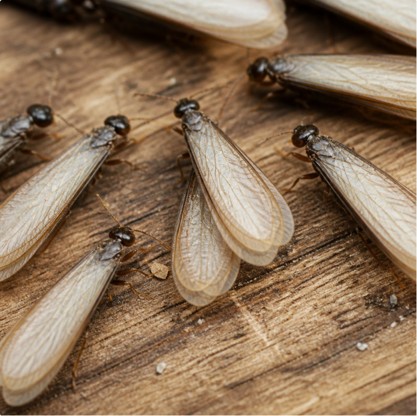
Lorem ipsum dolor sit amet, consectetur adipiscing elit. Ut elit tellus, luctus nec ullamcorper mattis, pulvinar dapibus leo.
Can Spot Treatment Fail?
One of the biggest myths surrounding spot treatment is that it “doesn’t work.”
The truth is more accurate:
Spot treatment usually fails because the infestation was larger than originally believed—not because the treatment itself was ineffective.
When technicians accurately identify every active colony and properly apply the treatment, localized termite control can be extremely successful.
Problems arise when:
- Additional colonies remain hidden.
- The inspection misses active areas.
- The infestation has already spread throughout the structure.
- Homeowners delay treatment until the damage becomes extensive.
For example, a homeowner may notice frass beneath a single window frame.
A localized treatment successfully eliminates the termites inside that window.
Several months later, fresh frass appears in the attic.
This does not necessarily mean the original treatment failed.
It may simply indicate that another colony already existed elsewhere in the home but was not detectable during the initial inspection.
This is why experienced termite companies emphasize inspection quality above all else.
The success of spot treatment depends on understanding the infestation—not simply treating visible symptoms.
Does Whole-Home Fumigation Prevent Future Infestations?
This is one of the most common questions homeowners ask.
The answer is simple:
No.
Whole-home fumigation eliminates the active drywood termite colonies inside the structure at the time of treatment, but it does not leave behind any protective barrier that prevents future termites from entering the home.
Once the fumigant has completely dissipated, the structure is free of active colonies—but it is not immune to future infestations.
New termite swarmers can still:
- Land on the property.
- Find small openings in exposed wood.
- Establish entirely new colonies months or even years later.
For this reason, fumigation should be viewed as a reset—not permanent protection.
How to Protect Your Home After Fumigation
The best long-term termite protection combines professional treatment with ongoing prevention.
Homeowners should consider:
- Regular termite inspections.
- Prompt repair of moisture issues.
- Sealing cracks and structural entry points where appropriate.
- Replacing damaged wood when necessary.
- Monitoring for new signs of termite activity.
- Scheduling professional evaluations if swarmers or frass are observed again.
Early detection remains the most effective way to reduce repair costs and prevent another widespread infestation.
Expert Insight
Many homeowners believe they must choose between the least expensive treatment and the most effective treatment.
In reality, the most cost-effective solution is the one that matches the actual infestation.
A localized colony treated early may never require fumigation.
Conversely, delaying treatment on a widespread infestation in an attempt to save money with repeated spot treatments can ultimately lead to higher repair costs, additional treatments, and greater structural damage.
The objective should never be selecting the largest treatment.
The objective should always be selecting the right treatment based on a professional inspection.
Cost Comparison: Spot Treatment vs. Whole-Home Fumigation
Cost is often one of the first questions homeowners ask when facing a termite problem.
While it’s understandable to compare prices, cost alone should never determine which treatment you choose.
The most affordable treatment is only a good investment if it completely resolves the infestation.
If an inadequate treatment allows termites to remain active inside the structure, the long-term cost of additional treatments and structural repairs can far exceed the initial savings.
In general:
- Spot treatment is typically less expensive because it targets a limited area and requires fewer labor hours.
- Whole-home fumigation generally involves higher costs due to the scale of the operation, specialized equipment, preparation requirements, and temporary relocation of occupants.
However, every property is different.
Several factors influence the total cost of termite treatment, including:
- The size of the home.
- The termite species involved.
- The severity of the infestation.
- The accessibility of affected areas.
- Construction type.
- Whether repairs are needed after treatment.
For this reason, reputable termite companies provide treatment recommendations based on inspection findings—not simply on budget considerations.
A professional inspection often helps homeowners avoid paying for a treatment that is either insufficient or unnecessarily extensive.
Which Treatment Is More Convenient?
Convenience is another important factor, especially for busy homeowners and families.
Spot treatment generally causes minimal disruption.
In many cases:
- Homeowners can remain in the house.
- The treatment can often be completed in a single visit.
- Little preparation is required.
- Daily routines are largely unaffected.
Whole-home fumigation requires more planning.
Homeowners should expect to:
- Temporarily leave the property.
- Complete preparation instructions before treatment.
- Arrange accommodations if necessary.
- Wait until the structure has been cleared for safe re-entry.
Although fumigation is less convenient, it may ultimately save time when dealing with extensive infestations by eliminating multiple hidden colonies during a single comprehensive treatment.
Convenience should therefore be considered alongside effectiveness—not as the primary deciding factor.
How a Professional Inspection Determines the Right Treatment
Perhaps the most important takeaway from this guide is that the inspection determines the treatment—not the other way around.
Experienced termite professionals do not automatically recommend spot treatment or fumigation based on a single sign of termite activity.
Instead, they evaluate the property as a whole.
During an inspection, technicians assess:
- The termite species present.
- Evidence of active infestation.
- The number of affected locations.
- Accessibility of damaged wood.
- Moisture conditions.
- Previous termite damage.
- Signs of earlier treatments.
- Structural construction features.
- Areas that may conceal hidden termite activity.
Using this information, they determine whether the infestation appears localized or widespread.
Only then can they recommend the treatment that provides the greatest likelihood of eliminating the infestation completely.
A professional inspection also helps homeowners avoid two common mistakes:
- Under-treating a widespread infestation.
- Over-treating a localized infestation.
Both can be costly.
The goal is not to sell the largest service.
The goal is to recommend the treatment that best fits the evidence found during the inspection.
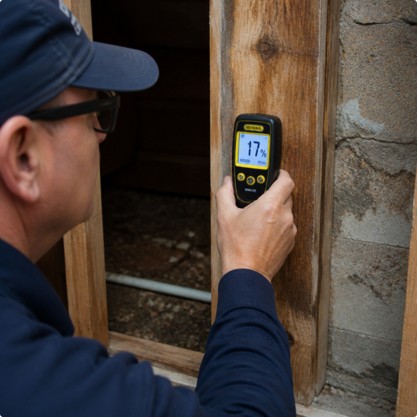
Common Myths About Spot Treatment and Fumigation
Homeowners often receive conflicting advice from neighbors, online forums, or outdated information.
Let’s clarify some of the most common misconceptions.
Myth 1: Fumigation Is Always Better
Reality:
Fumigation is highly effective for widespread drywood termite infestations, but it is not automatically the best choice for every situation.
If a professional inspection confirms that activity is isolated, spot treatment may be equally effective while being less disruptive and more cost-efficient.
Myth 2: Spot Treatment Is Only a Temporary Fix
Reality:
When the infestation is accurately identified and confined to a specific area, spot treatment can completely eliminate the active colony.
Its success depends on proper inspection—not on luck.
Myth 3: Fumigation Prevents Future Termites Forever
Reality:
Fumigation eliminates existing drywood termite colonies but leaves no long-term residual protection after the fumigant has dissipated.
Future infestations remain possible if new swarmers enter the structure.
Myth 4: Every Home With Drywood Termites Needs Tenting
Reality:
Not necessarily.
Some drywood termite infestations remain localized and can be successfully treated without fumigating the entire home.
Only a professional inspection can determine whether tenting is actually necessary.
Myth 5: You Can Choose the Treatment Without an Inspection
Reality:
Visible termite evidence rarely tells the whole story.
Professional inspections reveal hidden activity that homeowners simply cannot see.
Choosing a treatment before understanding the extent of the infestation often leads to unnecessary costs or incomplete control.
How to Help Prevent Future Termite Problems
No termite treatment can replace good preventive maintenance.
Although no home can be made completely termite-proof, homeowners can significantly reduce their risk by following several best practices.
These include:
- Scheduling regular professional termite inspections.
- Repairing roof leaks and plumbing leaks promptly.
- Reducing excess moisture around the home.
- Keeping wood debris away from the foundation.
- Sealing gaps around utility penetrations when appropriate.
- Monitoring for termite swarmers during swarming season.
- Investigating fresh frass or discarded wings immediately.
- Repairing damaged wood before it attracts additional pests.
Early detection remains the most effective strategy for minimizing structural damage and reducing treatment costs.
Key Takeaways
Before deciding between spot treatment and whole-home fumigation, remember these essential points:
Neither treatment is universally better. The right choice depends on the specific infestation.
Spot treatment is often ideal for localized, accessible termite activity.
Whole-home fumigation is typically recommended for widespread drywood termite infestations.
Subterranean termites require different treatment methods and are generally not controlled through structural fumigation.
Professional inspections are the foundation of effective termite control.
Fumigation eliminates existing colonies but does not prevent future infestations.
Regular inspections and preventive maintenance help protect your home over the long term.
Conclusion
Choosing between spot treatment and whole-home fumigation isn’t about finding the “strongest” termite treatment—it’s about selecting the solution that best matches the infestation affecting your home.
A localized drywood termite colony may be effectively eliminated through targeted treatment, while a widespread infestation involving multiple hidden colonies may require the comprehensive reach of whole-home fumigation.
Because every property is different, the most important step is obtaining a professional termite inspection. An experienced inspector can identify the termite species, determine the extent of the infestation, and recommend the treatment that offers the highest likelihood of complete control while avoiding unnecessary expense or disruption.
If you’ve noticed termite droppings, discarded wings, damaged wood, or other signs of termite activity in your South Florida home, don’t rely on guesswork.
A professional evaluation can help identify the problem early, recommend the most appropriate treatment, and protect your property before minor damage becomes a much larger repair.
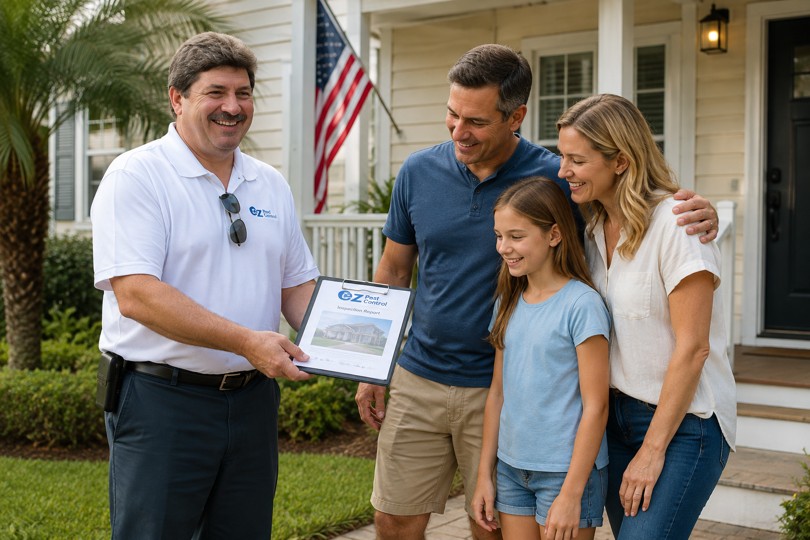
Need Help Choosing the Right Termite Treatment?
Choosing between spot treatment and whole-home fumigation isn’t a decision that should be based on guesswork. Every termite infestation is different, and the most effective solution depends on a thorough inspection by experienced professionals.
At EZ Pest Control, our licensed termite specialists perform detailed inspections to identify the termite species, evaluate the extent of the infestation, and recommend the treatment that best fits your home’s specific needs. We believe in providing honest recommendations—whether that means localized spot treatment or whole-home fumigation—so you receive the most effective solution without unnecessary services.
If you’ve noticed termite droppings, discarded wings, damaged wood, or simply want peace of mind, we’re here to help.
Schedule Your Professional Termite Inspection Today
Protect your South Florida home before termite damage becomes more extensive.
Contact EZ Pest Control today to schedule a professional inspection and receive expert guidance on the best treatment option for your property. Our team is committed to helping homeowners eliminate termites safely, effectively, and with long-term protection in mind.
📞 Call us today or request your inspection online to get started.
Learn the differences between spot treatment and whole-home fumigation. Discover which termite treatment is best for your South Florida home.
Frequently Asked Questions
It can be. When termite activity is limited to a clearly defined and accessible area, spot treatment can effectively eliminate the active colony. Widespread or difficult-to-access infestations may require whole-home fumigation.
No. Some localized drywood termite infestations can be successfully treated with a targeted spot treatment. A professional inspection is necessary to determine whether the infestation is localized or widespread.
Whole-home fumigation is primarily used for drywood termites. Subterranean termite colonies live underground and usually require soil treatments, baiting systems, or other treatment methods designed to reach the colony in the soil.
The timeline depends on the size of the property, the treatment plan, and the required exposure and aeration periods. Homeowners must remain outside the property until licensed professionals confirm that it is safe to re-enter.
Yes. Fumigation eliminates active drywood termite colonies present during treatment, but it does not leave a permanent protective barrier. New termite swarmers can reinfest the property in the future.
In most cases, spot treatment costs less because it targets a smaller area and requires less preparation. However, price should not be the only consideration. The treatment must match the extent and location of the infestation.
Spot treatment may appear to fail when additional colonies were hidden in other parts of the structure. The success of a localized treatment depends on a thorough inspection, accurate colony identification, and proper application.
In many cases, homeowners can remain in the property during a localized treatment. The technician will provide specific safety instructions based on the product used, the treatment area, and the conditions of the home.
A professional termite inspection is the most reliable way to determine the correct treatment. An inspector will identify the termite species, evaluate the affected areas, determine whether the infestation is localized or widespread, and recommend the appropriate solution.
Yes. EZ Pest Control can inspect your South Florida property, identify the termite species, evaluate the extent of the infestation, and recommend whether spot treatment, whole-home fumigation, or another termite control method is the best option for your home.