Skip to content

Subterranean vs. Drywood Termites: Key Differences Every Florida Homeowner Should Know
Introduction
According to the National Pest Management Association (NPMA), termites cause an estimated $6.8 billion in property damage annually in the United States. Unlike storms or plumbing leaks, termite damage often develops silently, hidden behind walls, beneath flooring, or inside wooden structures until significant destruction has already occurred.
For homeowners in South Florida, understanding the different types of termites is especially important. The region’s warm temperatures, high humidity, and extended rainy season create ideal conditions for several termite species to thrive year-round. While many people assume that all termites behave the same way, the reality is quite different.
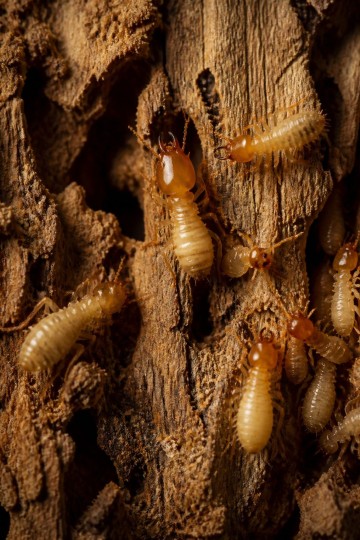
The two most common groups that threaten homes in South Florida are subterranean termites and drywood termites. Although both feed on cellulose found in wood and other plant-based materials, they differ significantly in their biology, nesting habits, methods of infestation, signs of activity, and the treatments required to eliminate them.
Misidentifying the type of termite invading your property can lead to ineffective treatments, unnecessary expenses, and continued structural damage. A treatment designed for subterranean termites, for example, may have little impact on a drywood termite infestation hidden inside attic framing or furniture. Likewise, spot-treating visible drywood termite activity will not solve an underground subterranean colony that continues attacking the home’s foundation.
This guide will help you understand the key differences between these two destructive pests, including:
Whether you’re concerned about unusual termite swarmers, discovering mysterious wood damage, or simply want to protect one of your largest investments, learning the difference between subterranean termites and drywood termites is the first step toward making informed decisions and preventing costly repairs.
Why Identifying the Right Termite Species Matters
One of the biggest misconceptions homeowners have is believing that all termite infestations are treated the same way. In reality, successful termite control begins with accurate identification.
Subterranean termites live underground and travel through protective mud tubes to reach structures, meaning treatments often focus on creating protective soil barriers or eliminating entire underground colonies.
Drywood termites, on the other hand, never need contact with the soil. They live entirely inside the wood they consume, making localized treatments, heat treatments, or even whole-home fumigation more appropriate depending on the severity of the infestation.
Because these two termite groups behave so differently, professional inspections are essential for determining:
- Where the colony is located.
- How extensive the infestation has become.
- Which treatment method offers the highest chance of complete elimination.
- Whether there are multiple termite species affecting the same property.
Misidentification can lead to incorrect treatment selection, continued termite activity, repeat infestations, unnecessary repair costs, and money spent on solutions that do not address the source of the problem.
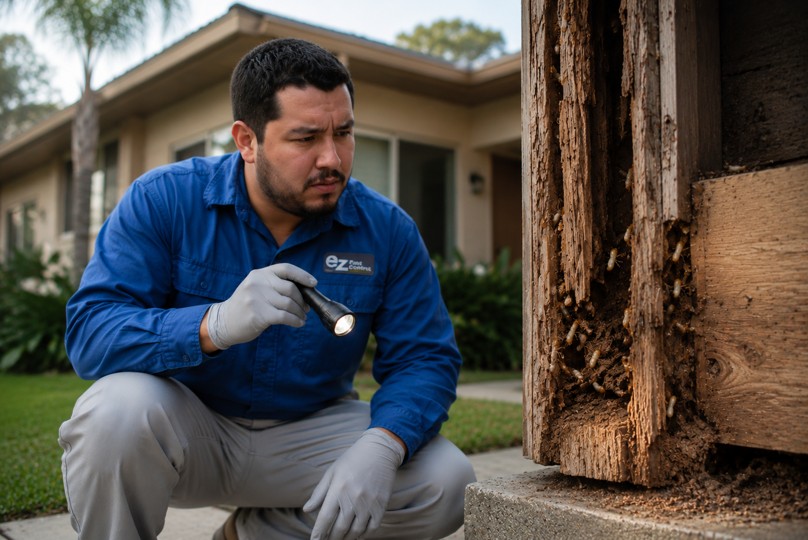
A professional termite inspection identifies not only whether termites are present, but also which species is responsible, where the colony is located, and which treatment strategy can provide the best long-term protection.
In South Florida, where multiple termite species can coexist in the same neighborhood—and sometimes even in the same home—accurate identification isn’t just helpful; it’s critical for long-term protection.
What Are Subterranean Termites?
Subterranean termites are the most common and economically destructive termites in the United States, responsible for the majority of structural termite damage reported each year. In South Florida, they are a constant concern because the region’s warm climate, frequent rainfall, and moisture-rich soils create ideal conditions for large underground colonies to thrive.
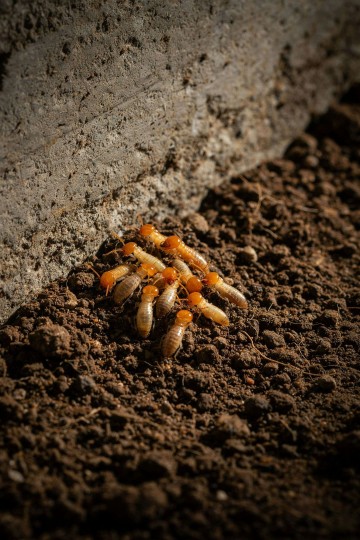
Unlike other termite species, subterranean termites do not live inside the wood they consume. Instead, they build their colonies beneath the ground, where moisture levels remain stable and the colony is protected from predators and environmental changes. From there, worker termites travel long distances in search of food, often reaching homes through cracks in foundations, expansion joints, utility penetrations, or other small structural openings.
A mature subterranean termite colony may contain hundreds of thousands—or even millions—of individual termites, allowing them to consume wood continuously and expand rapidly if left untreated.
How Do Subterranean Termites Live?
A subterranean termite colony functions as a highly organized social system, with each caste performing a specific role that ensures the colony’s survival.
Workers
Workers make up the largest portion of the colony and are responsible for nearly all the visible damage to a structure. Their duties include:
- Feeding on wood and other cellulose materials.
- Constructing protective mud tubes.
- Caring for eggs and immature termites.
- Feeding soldiers and reproductive termites.
- Expanding the colony's underground tunnel system.
Because workers avoid direct exposure to sunlight and dry air, they remain hidden inside wood or protected tunnels for most of their lives.
Soldiers
Soldier termites defend the colony against natural enemies, particularly ants. Although they possess enlarged jaws for protection, they cannot feed themselves and depend entirely on worker termites for nourishment.
Reproductives
The king and queen remain inside the colony, producing thousands of eggs throughout their lives. During certain times of the year, winged reproductives—known as swarmers or alates—leave the colony in large numbers to establish new colonies nearby.
This swarming event is often the first visible sign that homeowners notice.
Why Moisture Is Essential
One defining characteristic of subterranean termites is their dependence on moisture.
Their bodies lose water rapidly, making prolonged exposure to dry air potentially fatal. To survive while traveling above ground, they construct mud tubes, narrow tunnels made from soil, saliva, and termite droppings.
These tubes serve several important functions:
- Protect termites from dehydration.
- Shield them from predators.
- Maintain consistent humidity.
- Allow safe travel between the underground colony and food sources.
Finding mud tubes on a home’s foundation, crawl space, garage wall, or support piers is one of the strongest indicators of subterranean termite activity.

Common Signs of a Subterranean Termite Infestation
Because subterranean termites typically attack from below, homeowners may not notice the infestation until significant structural damage has already occurred. Knowing the warning signs can help identify a problem before repairs become extensive.
Look for:
Mud Tubes
Pencil-sized mud tunnels running along foundation walls, concrete slabs, crawl spaces, basement walls, utility penetrations, and support piers. These tubes allow termites to travel while remaining protected from sunlight and dry conditions.
Hollow-Sounding Wood
Wood damaged by subterranean termites often appears normal from the outside while being heavily consumed internally. If wooden beams, baseboards, window frames, or flooring sound hollow when tapped, termites may already be feeding inside.
Sagging Floors or Doors
As termites weaken structural framing, homeowners may notice floors that feel soft or uneven, doors that suddenly become difficult to close, windows that no longer open smoothly, and walls showing minor distortion. Although these issues can have other causes, termite damage is often an overlooked possibility.
Swarming Winged Termites
During the warmer months—often after rain—subterranean termite colonies release hundreds or even thousands of winged swarmers. Homeowners frequently find flying termites indoors, swarms gathering near windows or doors, and large numbers of discarded wings on windowsills, porches, or floors. A swarm does not always mean termites are already inside the home, but it indicates that an active colony is nearby and should be professionally inspected.
How Subterranean Termites Damage Homes
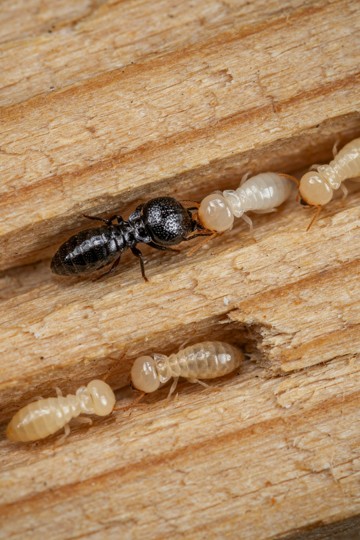
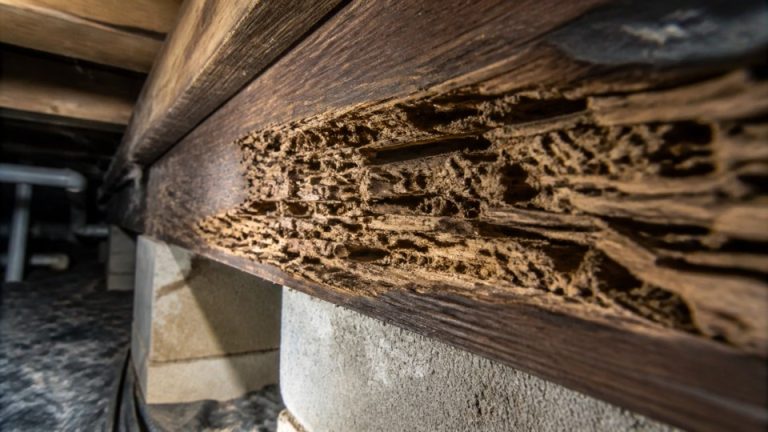
Subterranean termites consume wood from the inside out, following the natural grain of the wood while leaving a thin exterior surface intact. This hidden feeding pattern allows extensive structural damage to develop before homeowners recognize there is a problem.
Common areas at risk include:
- Wooden framing
- Floor joists
- Roof supports
- Structural beams
- Deck supports
- Porch columns
- Wooden fences attached to the home
- Door and window framing
Because colonies remain active year-round in South Florida, damage can continue uninterrupted unless effective treatment eliminates the entire colony.
Why They’re So Common in South Florida
South Florida offers nearly perfect conditions for subterranean termites to flourish. Several environmental factors contribute to their success:
- Warm temperatures throughout the year.
- High humidity that reduces dehydration risk.
- Frequent rainfall that keeps soil moist.
- Dense residential development providing abundant food sources.
- Landscaping practices that place wood in close contact with the soil.
Homes with poor drainage, leaking plumbing, excessive mulch, or wood-to-ground contact are especially attractive to subterranean termites and face a higher risk of infestation.
With their massive underground colonies, hidden feeding habits, and ability to cause extensive structural damage before being detected, subterranean termites remain one of the most serious pest threats facing homeowners in South Florida. Fortunately, understanding how they live and recognizing the early warning signs makes professional intervention far more effective—and can help prevent costly repairs in the future.
What Are Drywood Termites?
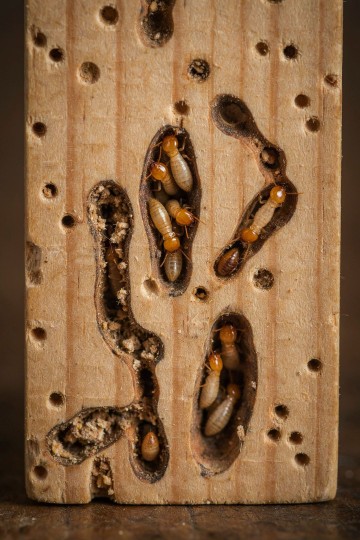
Unlike subterranean termites, drywood termites do not need contact with the soil to survive. Instead, they establish their colonies directly inside dry, sound wood, where they live, feed, reproduce, and expand for years without ever returning underground.
This unique behavior makes drywood termites particularly difficult to detect. Since the entire colony remains hidden within wooden structures, homeowners may have an infestation for several years before visible signs appear.
Drywood termites are especially common throughout South Florida, where warm temperatures and coastal conditions allow them to reproduce successfully year-round. They frequently infest homes, condominiums, vacation properties, wooden fences, sheds, furniture, and even decorative wood features.
Because they live entirely inside the wood they consume, they require treatment methods that differ significantly from those used for subterranean termites.
How Do Drywood Termites Live?
Drywood termites establish relatively small colonies compared to subterranean termites. While subterranean colonies may contain hundreds of thousands of termites, a mature drywood termite colony usually consists of a few hundred to several thousand individuals.
Even though these colonies are smaller, they can still cause extensive structural damage over time because they remain active continuously inside wooden structures.
Like other termites, drywood termites have different castes that work together:
Workers (or False Workers)
Unlike subterranean termites, many drywood termite species do not have a separate permanent worker caste. Instead, immature termites—often called false workers or pseudergates—perform many of the colony's essential tasks.
These termites:
- Excavate galleries inside wood.
- Feed on cellulose.
- Care for developing termites.
- Expand the colony.
- Maintain the nesting chambers.
Soldiers
Soldiers defend the colony from predators attempting to invade the galleries. Many species have enlarged heads specifically adapted to block narrow tunnel entrances, preventing intruders from entering the colony.
Reproductives
The king and queen reproduce inside the wooden galleries. As the colony matures, winged reproductives develop and eventually leave the wood during swarming season to establish entirely new colonies in nearby wooden structures.
No Soil Required
One of the biggest differences between drywood and subterranean termites is moisture dependency.
Drywood termites obtain nearly all the moisture they need directly from the wood they consume and through their own metabolic processes. Because of this, they do not need:
- Soil contact
- Mud tubes
- Underground tunnels
- Constant external moisture sources
This allows them to infest roof framing, attics, window frames, doors, hardwood flooring, wood siding, deck railings, furniture, wooden cabinets, and decorative beams. Essentially, any dry wood inside or around a home can become a nesting site.
How Do Drywood Termites Enter a Home?
Since they are not connected to the soil, drywood termites invade structures differently. Their primary method of infestation begins when winged reproductives (swarmers) emerge from an existing colony.
After a mating flight: they shed their wings, pair off as male and female, locate small cracks, joints, or exposed wood, bore directly into the wood, seal the entrance, and begin establishing a completely new colony.
Because the initial colony starts with only two termites, damage develops slowly during the early years, making infestations difficult to detect until the colony becomes well established.
Common Signs of a Drywood Termite Infestation
Unlike subterranean termites, drywood termites do not build mud tubes. Instead, homeowners should look for different warning signs.
Termite Droppings (Frass)
Perhaps the most recognizable sign of drywood termites is the presence of tiny wood-colored fecal pellets, commonly called frass. These pellets resemble coarse sand or tiny grains, accumulate beneath small holes in wood, often appear in neat piles, and may be tan, brown, or black depending on the wood consumed. Unlike sawdust, frass consists of six-sided pellets that termites push out of their galleries through small "kick-out" holes. Finding these pellets is often the first indication that termites are actively living inside the wood.
Small Exit Holes
Drywood termites create tiny openings in the wood to dispose of frass. These holes are often only 1–2 millimeters wide and can easily go unnoticed unless inspected closely.
Hollow Wood
As termites excavate galleries, wooden beams, trim, furniture, or flooring may begin sounding hollow when tapped. Unlike subterranean termites, whose damage often follows the wood grain and contains mud, drywood termite galleries are typically smooth, clean, free of soil, and filled with dry fecal pellets.
Swarming Termites
During swarming season, homeowners may notice flying termites indoors, winged termites near windows, discarded wings on windowsills, and swarms around lights during evening hours. Even if only a few swarmers are observed, they should never be ignored, as they may indicate an established colony inside the structure.
How Drywood Termites Damage Homes
Drywood termites consume wood slowly but continuously. Over time, they excavate intricate tunnel systems inside structural lumber while leaving the outer surface largely intact.
Common areas affected include:
- Roof trusses
- Ceiling joists
- Window frames
- Door frames
- Crown molding
- Hardwood flooring
- Cabinets
- Wooden furniture
- Exterior siding
- Decorative woodwork
Because the damage remains concealed beneath the surface, infestations often continue unnoticed for years before homeowners realize repairs are necessary.
Why Drywood Termites Are a Major Concern in South Florida
South Florida is considered one of the country’s highest-risk regions for drywood termite activity.
Several factors contribute to their prevalence:
- Warm temperatures year-round.
- High humidity.
- Large numbers of older wooden homes.
- Coastal environments favorable to termite dispersal.
- Continuous construction using wood framing.
Unlike subterranean termites, which require suitable soil conditions, drywood termites can establish colonies almost anywhere there is exposed wood. This makes routine inspections particularly important, even for homes built on concrete slabs that homeowners often assume are protected from termite infestations.
Subterranean vs. Drywood Termites: What’s the Difference?
Although both subterranean and drywood termites feed on cellulose and can cause serious structural damage, they are very different pests. Understanding these differences is essential because the way they invade a home, the signs they leave behind, and the treatments required to eliminate them are not the same.
For homeowners in South Florida, knowing which termite species is present can make the difference between solving the problem effectively and allowing an infestation to continue growing unnoticed.
Side-by-Side Comparison
| Feature | Subterranean Termites | Drywood Termites |
|---|---|---|
| Where they live | Underground soil colonies | Entirely inside dry wood |
| Need contact with soil? | Yes | No |
| Moisture requirement | High | Low |
| Mud tubes | Yes | No |
| Typical colony size | Hundreds of thousands to millions | Hundreds to several thousand |
| Primary entry point | Through soil, foundation cracks, utility openings | Flying swarmers enter exposed wood directly |
| Common evidence | Mud tubes, hollow wood, swarmers | Frass (pellets), exit holes, swarmers |
| Speed of damage | Generally faster due to large colonies | Slower, but continuous over many years |
| Typical treatment | Soil treatments and baiting systems | Spot treatments, heat treatments, or fumigation |
At a Glance
| Question | Subterranean Termites | Drywood Termites |
|---|---|---|
| Lives underground? | Yes | No |
| Builds mud tubes? | Yes | No |
| Typically leaves frass? | No | Yes |
| Needs soil contact? | Yes | No |
| Common in South Florida? | Yes | Yes |
| Typical colony size | Hundreds of thousands to millions | Hundreds to several thousand |
| Typical treatment approach | Soil barriers and/or bait systems | Localized treatment, heat, or fumigation |
Colony Location, Entry, Size, Damage Patterns & Warning Signs
Colony Location
Perhaps the biggest difference between these termites is where they establish their colonies.
Subterranean Termites
Their primary colony remains underground, often several feet below the surface. Worker termites continuously travel between the soil and wooden structures using underground tunnels and protective mud tubes. Even if termites are found inside a wall or floor, the main colony usually remains hidden beneath the property.
How They Enter Homes
The way each termite species gains access to a structure is completely different.
Subterranean Termites
These termites typically invade through:
- Foundation cracks
- Expansion joints
- Utility penetrations
- Crawl spaces
- Wood that touches the soil
- Slab construction gaps
Because they originate underground, moisture around the home's foundation significantly increases the risk of infestation.
Drywood Termites
Drywood termites eliminate the need for an underground colony altogether. The entire colony—including the king, queen, soldiers, and developing termites—lives inside the wood being consumed. There is no connection to the soil, which means infestations can develop in almost any wooden component of a home.
Drywood Termites
Drywood termites usually begin with a mating pair of flying swarmers. After landing on exposed wood, they shed their wings, enter tiny cracks or joints, seal themselves inside, and begin creating a new colony. This process allows infestations to begin almost anywhere on a structure—even on upper floors or roof framing.
Colony Size and Growth
Another important distinction is the number of termites involved.
Subterranean termite colonies grow extremely large. A mature colony may contain 250,000 termites, 500,000 termites, or more than one million termites. With thousands of workers feeding simultaneously, structural damage can progress rapidly.
Drywood termite colonies are much smaller. Many colonies remain below several thousand individuals throughout their lifetime. Although they consume wood at a slower rate, years of uninterrupted feeding can still result in expensive repairs.
Damage Patterns
The type of damage each termite creates also differs.
Subterranean Termite Damage
Subterranean termites generally follow the natural grain of the wood. Their galleries often contain mud, soil particles, and moist conditions. Because they maintain contact with the soil, contaminated tunnels are common. Structural framing, floor systems, and support beams are frequent targets.
Drywood Termite Damage
Drywood termites excavate clean, smooth galleries. Unlike subterranean termites, these tunnels contain no mud, no soil, and dry fecal pellets (frass). Damage is commonly found in roof framing, door frames, window trim, furniture, cabinets, and decorative woodwork.
Warning Signs Homeowners Should Watch For
Although both species often remain hidden, the clues they leave behind are different.
Signs of Subterranean Termites
- Mud tubes on foundations.
- Hollow-sounding wood.
- Soft or sagging floors.
- Swarming termites after rain.
- Discarded wings near doors or windows.
Signs of Drywood Termites
- Small piles of frass.
- Tiny kick-out holes in wood.
- Hollow wooden furniture.
- Swarming termites indoors.
- Discarded wings on windowsills.
Warning Signs Homeowners Should Watch For
Although both species often remain hidden, the clues they leave behind are different.
Signs of Subterranean Termites
- Mud tubes on foundations.
- Hollow-sounding wood.
- Soft or sagging floors.
- Swarming termites after rain.
- Discarded wings near doors or windows.
Signs of Drywood Termites
- Small piles of frass.
- Tiny kick-out holes in wood.
- Hollow wooden furniture.
- Swarming termites indoors.
- Discarded wings on windowsills.
Recognizing these differences can help homeowners communicate more effectively with a pest control professional during an inspection.
Which Causes More Damage?
This is one of the most common questions homeowners ask. The answer depends on several factors.
Subterranean termites generally have the potential to cause more severe structural damage in a shorter period of time because their colonies are much larger and contain enormous numbers of feeding workers.
Drywood termites, however, often remain hidden for much longer. Because homeowners may not notice them until years after the infestation begins, significant damage can accumulate before professional treatment is sought.
In other words:
- Subterranean termites usually damage structures faster.
- Drywood termites often remain hidden longer.
Both species can require costly repairs if left untreated.
Which Type of Termite Is More Common in South Florida?
South Florida is considered one of the highest-risk regions in the United States for termite activity. Across Miami-Dade, Broward, and Palm Beach counties, the warm climate, high humidity, abundant rainfall, and year-round growing season allow termites to remain active during every month of the year.
Unlike many other parts of the country where termite activity slows during colder months, South Florida homeowners face a constant risk of infestation.
One of the unique challenges in this region is that both subterranean and drywood termites are common, meaning a home can be vulnerable to either species—and in some cases, both at the same time.
Subterranean Termites: A Constant Threat
Subterranean termites are among the most widespread structural pests throughout Florida. Their dependence on moist soil makes South Florida’s environmental conditions nearly ideal for colony development.
They are especially common in areas with:
- High groundwater levels.
- Frequent irrigation.
- Poor drainage.
- Landscaping that retains moisture.
- Wood-to-soil contact.
- Older homes with structural settling or foundation cracks.
Because colonies can contain hundreds of thousands of termites, subterranean infestations often become severe if they are not detected early. Many homeowners never realize termites are present until an inspection reveals mud tubes hidden behind landscaping, inside crawl spaces, or beneath flooring.
Drywood Termites Are Equally Common
While subterranean termites attack from below, drywood termites are equally well adapted to South Florida’s environment. Warm temperatures allow reproductive termites to swarm successfully, creating new colonies throughout neighborhoods every year.
Drywood termites frequently infest:
- Single-family homes.
- Waterfront properties.
- Condominiums.
- Townhomes.
- Historic wooden buildings.
- Vacation homes.
- Detached garages.
- Wooden fences.
- Outdoor structures.
Unlike subterranean termites, they do not need moist soil to survive, allowing them to establish colonies virtually anywhere there is dry wood. Even homes built entirely on concrete slabs are still vulnerable.
Can a Home Have Both Types?
Yes. One of the biggest misconceptions is believing that finding one termite species means the property is protected from the other. In reality, professional inspectors occasionally discover both subterranean and drywood termites infesting the same home simultaneously.
For example:
- Subterranean termites may be feeding on structural framing beneath the house.
- Drywood termites may be living inside attic rafters.
- Furniture may contain an entirely separate drywood colony.
- Exterior decks or fences may attract subterranean termites.
Because each infestation develops independently, treating only one species does not eliminate the other. This is why comprehensive inspections are so important in South Florida.
Coastal Areas Face Additional Challenges
Many South Florida communities—from coastal Miami and Fort Lauderdale to waterfront neighborhoods throughout Broward and Palm Beach counties—are located close to the ocean, canals, or other bodies of water. These environments provide conditions that favor termite survival:
- Elevated humidity.
- Warm nighttime temperatures.
- Dense vegetation.
- Year-round moisture.
- Frequent storms.
Homes located near the coast often experience termite swarming seasons that appear longer than in inland areas. Salt air itself does not attract termites, but the surrounding environmental conditions create excellent opportunities for colony establishment.
Why New Homes Are Not Immune
A common myth is that only older homes develop termite problems. Unfortunately, termites do not distinguish between old and new construction.
New homes can become infested when:
- Swarming termites establish new colonies after construction.
- Landscaping creates wood-to-soil contact.
- Moisture problems develop around foundations.
- Wooden framing remains exposed during building.
- Nearby termite colonies expand into the property.
Even pressure-treated lumber does not guarantee complete protection, especially when untreated wood components or other cellulose materials remain accessible. Routine inspections remain important regardless of a home’s age.

Early Warning Signs of a Termite Infestation
One of the reasons termites cause billions of dollars in property damage every year is that they work silently. Unlike rodents or cockroaches, termites rarely make their presence obvious until significant damage has already occurred. Recognizing the early warning signs can help homeowners schedule a professional inspection before repairs become extensive.
Mud Tubes
These narrow, pencil-sized tubes climbing up your foundation walls, concrete slabs, or support piers are the strongest indication that subterranean termites are present. They protect termites from dehydration, shield them from predators, and connect underground colonies with food sources. Never assume removing the tubes solves the problem. The colony usually remains active underground.
Hollow or Damaged Wood
Wood that sounds hollow when tapped should never be ignored. Termites consume wood from the inside out, often leaving only a thin outer surface intact. Common locations include baseboards, window frames, door frames, structural beams, wooden flooring, and deck supports. Visible damage usually indicates the infestation has been present for some time.
Discarded Wings
Both subterranean and drywood termites produce winged reproductives during swarming season. After finding a place to establish a colony, they shed their wings. Homeowners often discover piles of delicate, transparent wings near windows, around doors, on patios, on windowsills, and beneath exterior lights. Finding discarded wings is often the first indication that termites are active nearby.
Frass (Drywood Termite Droppings)
Unlike subterranean termites, drywood termites push their waste outside the galleries they create. These tiny pellets resemble fine sand, ground pepper, or small wood-colored grains. Frass typically accumulates beneath tiny holes in wooden trim, beams, cabinets, or furniture. If these pellets continue appearing after cleaning, an active infestation is likely.
Tight Doors and Windows
As termites weaken wooden framing, structural movement can occur. You may notice doors sticking unexpectedly, windows becoming difficult to open, floors feeling uneven, and minor cracks appearing around trim. Although these issues have several possible causes, termites should always be considered during a professional inspection.
Bubbling or Distorted Paint
Damaged wood beneath painted surfaces may cause bubbling paint, blistering finishes, slight wall distortions, and soft spots beneath painted trim. These symptoms are sometimes mistaken for water damage, making professional evaluation especially important.
Swarming Termites
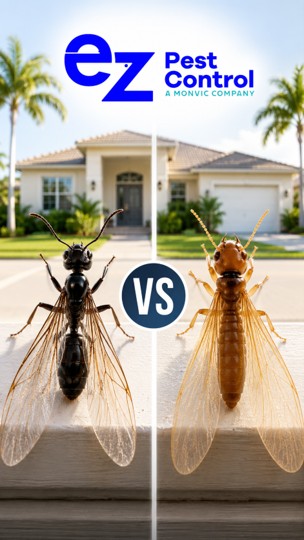
Many homeowners panic after seeing flying insects indoors. However, not every swarming insect is a termite. Flying ants and termite swarmers are commonly confused because they appear around the same time of year. A licensed termite inspector can quickly determine the difference and recommend the appropriate course of action.
Don’t Wait for Visible Damage
The absence of obvious signs does not necessarily mean your home is termite-free. Many infestations remain hidden inside wall voids, attics, crawl spaces, structural beams, and floor systems. By the time visible damage appears, termites may have been active for several years. Scheduling regular professional termite inspections is one of the most effective ways to identify problems early and protect your home’s structural integrity.
The sooner the termite species and extent of activity are identified, the more effectively a professional can develop a treatment and monitoring plan for the home. Treating only visible insects or damaged wood does not necessarily eliminate the colony. Without species-specific treatment and correction of contributing conditions, termite activity may continue or reappear in another area of the property.
A Greater Risk of Recurring Activity
Standard homeowners insurance policies commonly exclude damage caused by termites because it is generally considered preventable through maintenance and inspections. Homeowners may therefore be responsible for treatment and repair expenses.
Homeowners Insurance Limitations
Termite activity and previous damage may be discovered during a real estate or WDO inspection. Unresolved findings can delay a transaction, create negotiation issues, or require treatment and repairs before closing.
Potential Impact on a Property Sale
Early, localized problems may offer more treatment options. A widespread infestation can require broader treatment and more extensive repairs. Waiting for obvious damage often means the termites have already been active for a significant period.
Higher Repair and Treatment Costs
Workers feed continuously. Over time, they can weaken framing, floor systems, roof supports, trim, cabinets, and other cellulose-based materials. Damage that begins in one concealed area may become more difficult and expensive to repair as the infestation expands.
Increasing Structural Damage
Termite activity does not stop on its own. Because colonies remain concealed underground or inside wood, delaying an inspection can allow damage to spread into additional structural and decorative components of the home.
What Happens If You Ignore a Termite Infestation?
Treatment Options for Subterranean and Drywood Termites
One of the biggest mistakes homeowners make is assuming that all termite infestations can be eliminated using the same treatment. In reality, the most effective solution depends on the termite species, the location of the colony, the extent of the infestation, and the construction of the home.
Because subterranean and drywood termites have completely different nesting habits, professional pest control companies use different treatment strategies for each. An accurate inspection is the first—and most important—step toward selecting the right approach.
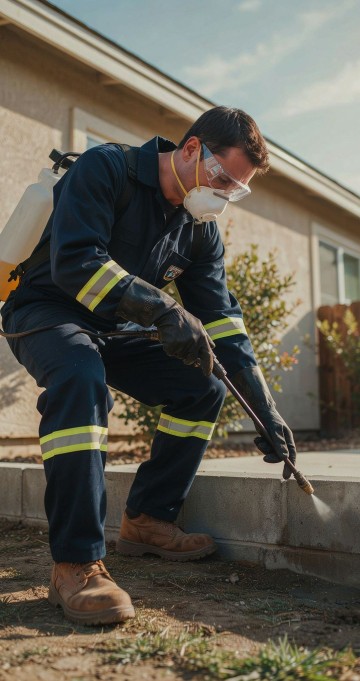
Treating Subterranean Termites
Since subterranean termites live in the soil, treatment focuses on stopping termites before they can enter the structure and eliminating the underground colony whenever possible.
Liquid Termite Barriers
One of the most common methods involves applying a professional-grade termiticide around the home's foundation. This treatment creates a continuous protective barrier that termites cannot cross without being exposed to the product. Liquid treatments are particularly effective for active infestations, preventive protection, homes with accessible foundations, and long-term structural defense. When installed correctly, these barriers can provide years of protection.
Termite Baiting Systems
Bait stations are installed in the soil around the property. Worker termites discover the bait and carry it back to the colony, where it is shared with other termites through natural feeding behavior. Over time, this process can significantly reduce—or even eliminate—the colony. Bait systems are especially useful when continuous monitoring is desired, soil treatments are not practical, environmental considerations influence treatment selection, or long-term colony management is part of the pest control program.
Correcting Moisture Problems
Because subterranean termites depend heavily on moisture, professional treatment often includes recommendations such as repairing leaking pipes, improving drainage around the home, redirecting downspouts, eliminating standing water, increasing crawl space ventilation, and removing wood-to-soil contact. Addressing these conditions reduces the likelihood of future infestations.
Treating Drywood Termites
Drywood termite treatments focus directly on the wood where colonies are living. The appropriate solution depends largely on how widespread the infestation has become.
Because subterranean and drywood termites have completely different nesting habits, professional pest control companies use different treatment strategies for each. An accurate inspection is the first—and most important—step toward selecting the right approach.
Localized Spot Treatments
If the infestation is confined to one or two accessible areas, localized treatment may be sufficient. Professionals may inject approved termite control products directly into active galleries after locating the colony. Spot treatments are generally most effective when the infestation is small, colonies are clearly identified, damage is localized, and early detection has occurred. However, spot treatments may not eliminate hidden colonies elsewhere in the structure.
Heat Treatments
Some companies use structural heat treatments to eliminate drywood termites. Specialized equipment raises the temperature inside infested areas to levels that termites cannot survive. Heat treatments offer several advantages: no structural fumigation required, no chemical residue left behind, can eliminate termites hidden inside wood, and treatment completed within hours. Not every home is a suitable candidate, but heat treatment can be an effective option for certain localized infestations.
Whole-Structure Fumigation
When drywood termites are widespread throughout a structure, whole-home fumigation is often considered the most comprehensive treatment. During fumigation, the home is sealed with specialized tarps, a professional fumigant penetrates all wooden components, the gas reaches hidden galleries throughout the structure, and active drywood termite colonies are eliminated simultaneously. Although fumigation requires homeowners to leave the property temporarily, it remains one of the most effective methods for severe or multiple drywood termite infestations. A licensed pest management professional can determine whether fumigation is necessary based on the inspection findings.
Can You Treat Termites Yourself?
Many homeowners search for DIY termite treatments after discovering damaged wood or seeing flying termites. While over-the-counter sprays, foams, and wood treatments may kill a small number of visible termites, they rarely eliminate the colony responsible for the infestation.
This is especially true because:
- Most termites remain hidden.
- Colonies may be located deep inside walls or underground.
- Multiple colonies can exist simultaneously.
- Misidentifying the termite species often leads to ineffective treatment.
Attempting to solve a termite problem without professional identification can allow the infestation to continue growing unnoticed.
How to Prevent Future Termite Infestations
Although no property can be guaranteed termite-free forever, homeowners can significantly reduce the risk of infestation by following several preventive measures.
Reduce Moisture Around the Home
Moisture is one of the biggest factors attracting subterranean termites. Homeowners should repair plumbing leaks promptly, keep gutters clean, direct rainwater away from the foundation, improve drainage around the property, and avoid standing water near the home.
Eliminate Wood-to-Soil Contact
Wood that touches the ground provides termites with easy access to a food source. Whenever possible, keep siding above soil level, raise wooden fences slightly off the ground, store firewood away from the home, and avoid stacking lumber against exterior walls.
Maintain Landscaping
Mulch, dense vegetation, and excessive moisture near the foundation can create favorable conditions for termite activity. Good landscaping practices include leaving space between mulch and siding, trimming shrubs away from exterior walls, removing dead tree stumps, and eliminating decaying wood from the property.
Seal Potential Entry Points
Although sealing every opening will not completely prevent termites, it can reduce opportunities for swarmers and moisture intrusion. Inspect your home regularly for foundation cracks, utility penetrations, gaps around doors and windows, damaged exterior wood, and roof leaks.
Schedule Regular Professional Inspections
Even homeowners who have never experienced termite problems should consider periodic inspections. Professional inspections can identify early termite activity, conditions favorable to infestations, structural vulnerabilities, and hidden colonies before extensive damage occurs. Early detection almost always results in simpler, less expensive treatment than waiting until obvious structural damage appears.
How a Professional Termite Inspection Works
Many termite infestations remain hidden for months—or even years—before homeowners notice visible damage. Because both subterranean and drywood termites spend most of their lives concealed inside wood or underground, a professional inspection is the most reliable way to determine whether termites are present and how extensive the problem has become.
Rather than relying solely on obvious warning signs, licensed termite inspectors evaluate the entire property to identify active infestations, conditions that could attract termites, and areas that may be vulnerable in the future.
Exterior Inspection
The inspection typically begins around the outside of the property. The inspector looks for conditions that increase the likelihood of termite activity, including wood-to-soil contact, excessive moisture around the foundation, poor drainage, damaged exterior wood, cracks in foundations or slabs, evidence of mud tubes, and tree stumps or wood debris near the structure. The goal is to identify both active termite activity and environmental conditions that make the property more susceptible to future infestations.
Interior Inspection
Inside the home, the inspection focuses on areas where termites commonly remain hidden. These may include baseboards, window and door frames, attics, crawl spaces, garages, utility rooms, structural beams, wooden flooring, and cabinets built into the woodwork. Inspectors look for subtle signs of termite activity while also identifying areas where moisture, structural defects, or previous damage may increase risk.
Identifying the Termite Species
One of the most important parts of the inspection is determining which termite species is present. Subterranean and drywood termites require different treatment strategies, so proper identification helps ensure the recommended solution addresses the source of the infestation rather than just the visible symptoms. When necessary, inspectors may collect samples of termites or evidence such as wings or frass to confirm the species.
Assessing the Extent of the Damage
Finding termites is only part of the inspection. A qualified inspector also evaluates which structural areas have been affected, whether the infestation appears active, the likely size of the colony, potential safety concerns, and areas that require monitoring after treatment. This information allows homeowners to understand the scope of the problem and prioritize the appropriate corrective actions.
Developing a Customized Treatment Plan
Every home is different. Construction type, foundation design, landscaping, moisture conditions, and the termite species involved all influence the recommended treatment approach. Instead of applying a one-size-fits-all solution, professional pest management companies develop customized treatment plans that may include preventive soil treatments, baiting systems, localized wood treatments, heat treatments, whole-structure fumigation, and ongoing monitoring and annual inspections. A tailored approach helps ensure the infestation is addressed effectively while reducing the risk of future termite activity.
When Should You Call a Professional?
Because termites remain hidden for much of their lives, waiting until damage becomes obvious often means the infestation has been active for months—or even years.
You should schedule a professional termite inspection if you notice:
- Mud tubes along the foundation.
- Piles of frass beneath wooden structures.
- Flying termites inside your home.
- Discarded wings near windows or doors.
- Hollow-sounding wood.
- Soft floors or sagging structural components.
Unexplained damage to wooden trim or furniture.
Even if you’re unsure whether termites are responsible, a licensed inspection can provide peace of mind and determine whether treatment is necessary before the problem becomes more severe.
Key Takeaways
Subterranean termites live primarily underground and commonly reach structures through soil contact, foundation openings, and protective mud tubes.
Drywood termites establish colonies entirely inside dry wood and often reveal their presence through frass, kick-out holes, or indoor swarmers.
Both termite groups are common throughout South Florida, and a single property can occasionally have both types at the same time.
Treatment must match the species, colony location, extent of activity, and construction of the home.
Early professional inspections can reduce the risk of extensive damage and costly repairs.
Protect Your Home Before Termites Cause Costly Damage
Whether you’re dealing with subterranean termites hidden beneath your foundation or drywood termites quietly damaging wooden structures from within, early detection and species-specific treatment are the keys to protecting your home.
While both species feed on wood and can compromise the structural integrity of a property, they differ significantly in how they live, spread, and are treated. Understanding these differences helps homeowners make informed decisions and avoid costly mistakes that can allow an infestation to worsen over time.
If you’ve noticed mud tubes, termite droppings, discarded wings, hollow-sounding wood, or any other signs of termite activity, don’t wait until the damage becomes extensive. A professional inspection can accurately identify the termite species, assess the extent of the infestation, and recommend the most effective treatment for your home.
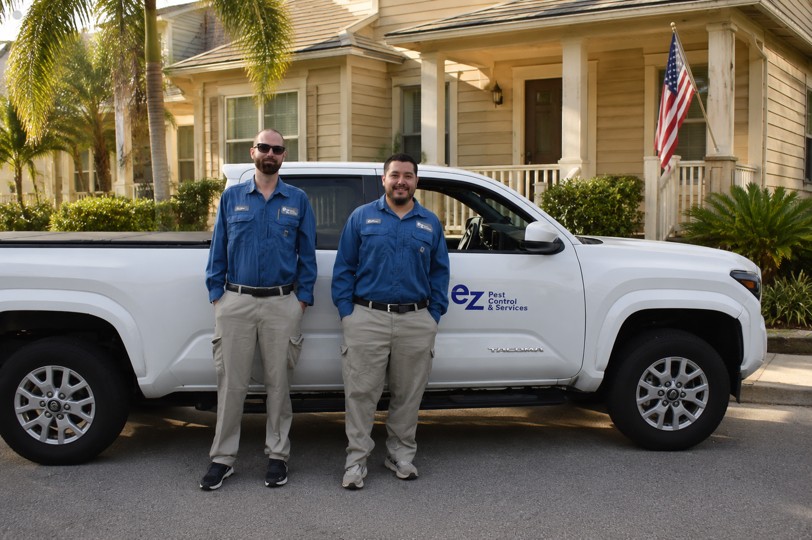
At EZ Pest Control, our experienced team provides comprehensive termite inspections and customized treatment solutions designed specifically for South Florida homes. Whether you need preventive protection or help eliminating an active infestation, we’re committed to helping you safeguard your property with effective, long-lasting termite control.
Because termite damage often develops silently, the most effective way to protect your investment is through early detection and a treatment plan designed for the species involved. Whether you are buying a home, maintaining your property, or responding to signs of termite activity, partnering with an experienced South Florida termite professional can help prevent costly structural repairs before they happen.
Schedule your professional termite inspection today and protect your home before termites turn a small problem into an expensive repair.
Frequently Asked Questions About Subterranean and Drywood Termites
Learn how to identify the differences between subterranean and drywood termites, understand the risks they pose, and determine when your South Florida home may need a professional termite inspection.
How can I tell if I have subterranean or drywood termites?
The evidence left behind is usually the clearest difference. Subterranean termites commonly build mud tubes along foundations, walls, crawl spaces, or other surfaces connecting the soil to the structure. Drywood termites do not build mud tubes. Instead, they often leave small piles of dry, wood-colored fecal pellets called frass beneath tiny openings in infested wood.
Because termite activity can remain hidden inside walls, attics, flooring, or structural wood, a professional termite inspection is the most reliable way to identify the species and determine the correct treatment.
Which type of termite causes more damage?
Subterranean termites generally have the potential to cause structural damage more quickly because their colonies may contain hundreds of thousands or even millions of termites. Large numbers of workers can feed on a structure simultaneously.
Drywood termite colonies are usually smaller, but they can remain concealed inside wood for years. This means considerable damage may accumulate before the infestation is discovered. Both types can cause expensive structural problems when left untreated.
Are subterranean or drywood termites more common in South Florida?
Both subterranean and drywood termites are common in South Florida. The region's warm temperatures, high humidity, frequent rainfall, and abundant wooden structures create favorable conditions for both types.
Subterranean termites benefit from moist soil and often enter homes near foundations. Drywood termites can establish colonies directly inside roof framing, doors, windows, furniture, and other dry wooden materials. A property can occasionally have both types at the same time.
Can termites infest a concrete block or concrete slab home?
Yes. Concrete construction does not make a home termite-proof. Subterranean termites can enter through foundation cracks, expansion joints, plumbing penetrations, utility openings, and small gaps around the slab.
Drywood termites do not need soil contact at all. They can infest wooden roof framing, attic components, doors, window frames, cabinets, trim, and furniture even when the main structure is built from concrete or masonry.
Does seeing flying termites mean my home is infested?
Flying termites, also called swarmers or alates, are reproductive termites leaving an established colony to form new colonies. Seeing them outdoors may indicate a nearby colony, but seeing swarmers or discarded wings inside the home can be a stronger sign of an active infestation within the structure.
Flying termites are also commonly confused with flying ants. A professional inspection can identify the insect correctly and determine whether termite treatment is necessary.
Can subterranean and drywood termites be treated the same way?
No. The treatment must match the termite species and the location of the colony. Subterranean termites live primarily in the soil, so treatment may involve liquid soil applications, trenching, drilling, baiting systems, or a combination of methods.
Drywood termites live entirely inside wood. Depending on the extent of the infestation, treatment may involve localized wood applications, injection treatments, heat treatment, or whole-structure fumigation. Accurate identification is essential before choosing a solution.
Can I eliminate termites with a DIY treatment?
Store-bought sprays, foams, and other DIY products may kill a small number of exposed termites, but they usually do not reach the main colony. Most termite activity remains concealed underground, behind walls, or deep inside structural wood.
DIY treatments can also make it more difficult to determine the true location and extent of the infestation. A professional termite inspection provides accurate identification and a treatment plan designed to address the colony rather than only the visible insects.
How often should a South Florida home be inspected for termites?
An annual termite inspection is a practical preventive measure for many South Florida properties because termite activity can occur throughout the year. Regular inspections are particularly important for older homes, coastal properties, homes with previous infestations, and buildings with moisture or drainage problems.
An inspection may be needed sooner if you notice mud tubes, termite droppings, discarded wings, hollow-sounding wood, damaged trim, or flying termites inside the property.